The ultimate home-technique for cooking steak.

This method uses a mixture of traditional searing, with Sous-vide cooking (cooking food in vacuum sealed bags in a water bath)

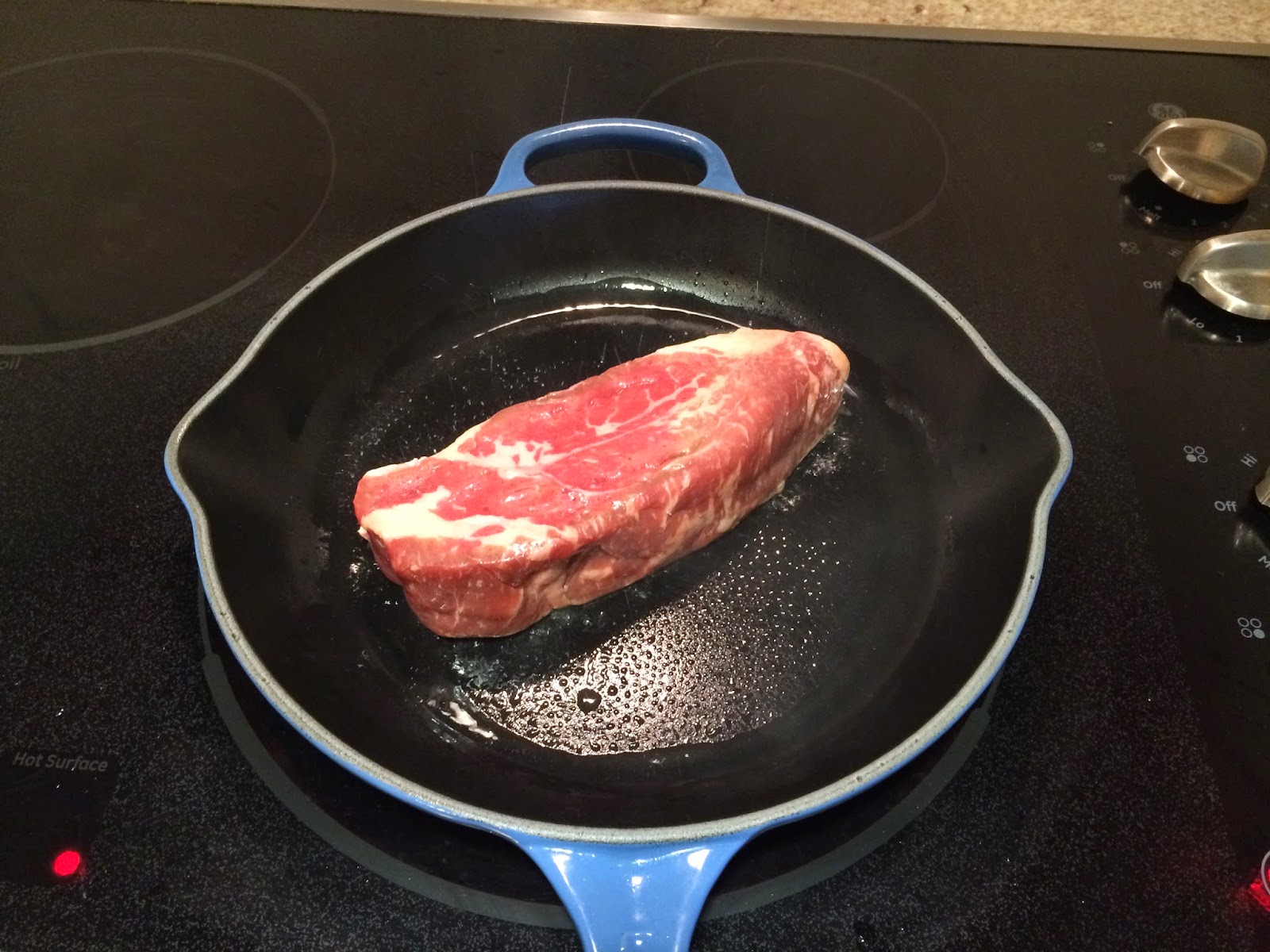
1.  The first and most crucial step is to get a good piece of meat. In this instance, I needed to beg the only importer of unfrozen angus beef on the island that I reside to cut a rather large slab of beef. The meat must be pre-seared before going into the water bath.  The steak should be cold so it does not cook past the surface. (You shall see later). It is best to use a very good cast-iron pan. The pan here is from Le Crueset, and is brand new that was snuck into my suit-case during my last visit to civilization
2. Place the slab of beef into a ziploc bag with thyme and butter. The snotty-nose nerdy food blogs seem not to think that the herbs and butter make a difference in the vacuum bag, but why not add more flavor?

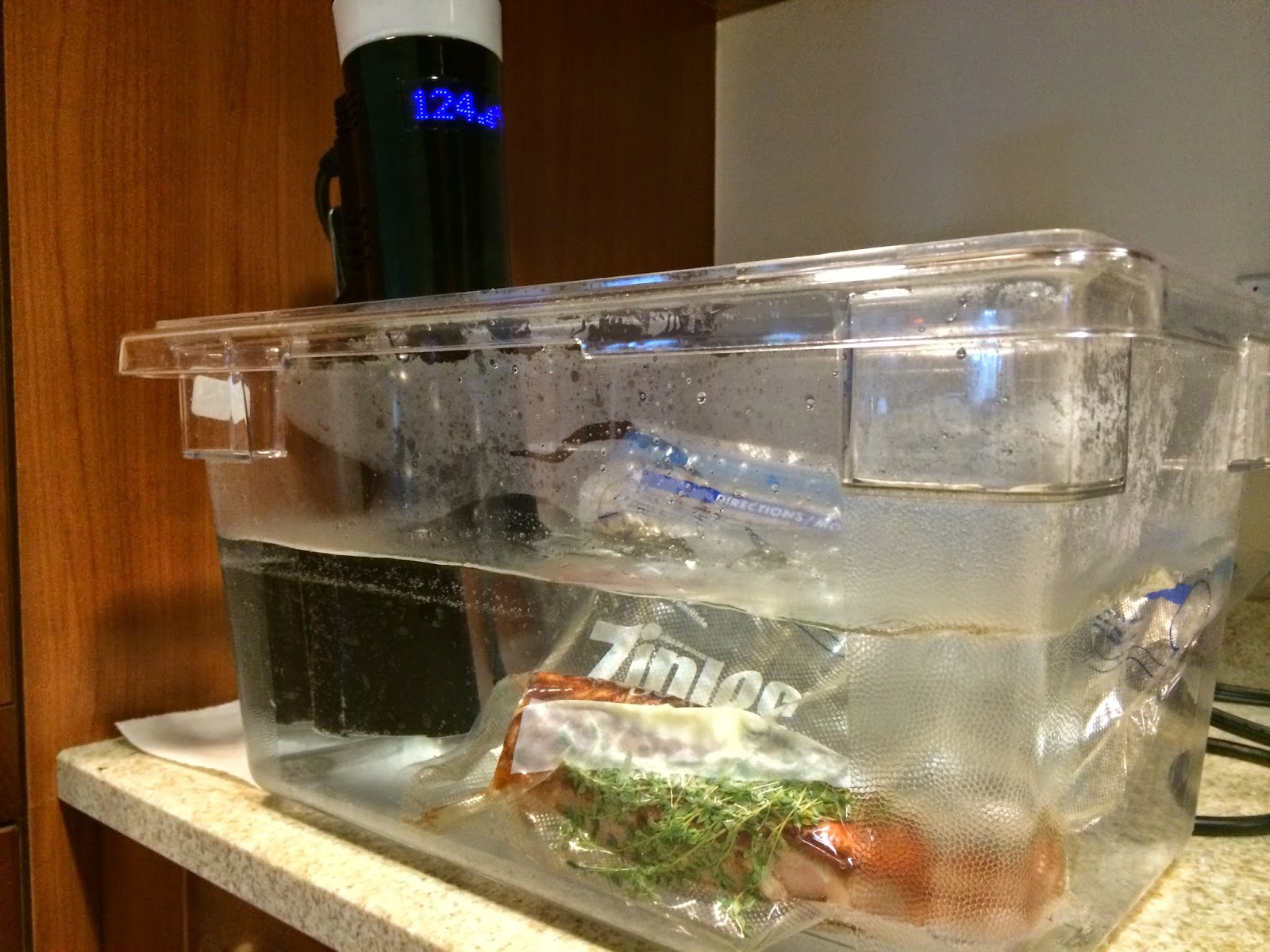
3. Place the steak into a water bath at a constant temperature of 54.5 degrees Celsius (131 in the american measurement) for a few hours. At this thickness it should probably be in the water for around two hours. I’m using an immersion circulator that I again stuck in my suitcase at one of my previous visits to civilization. This little device essentially circulates the water and keeps it at constant temperature.
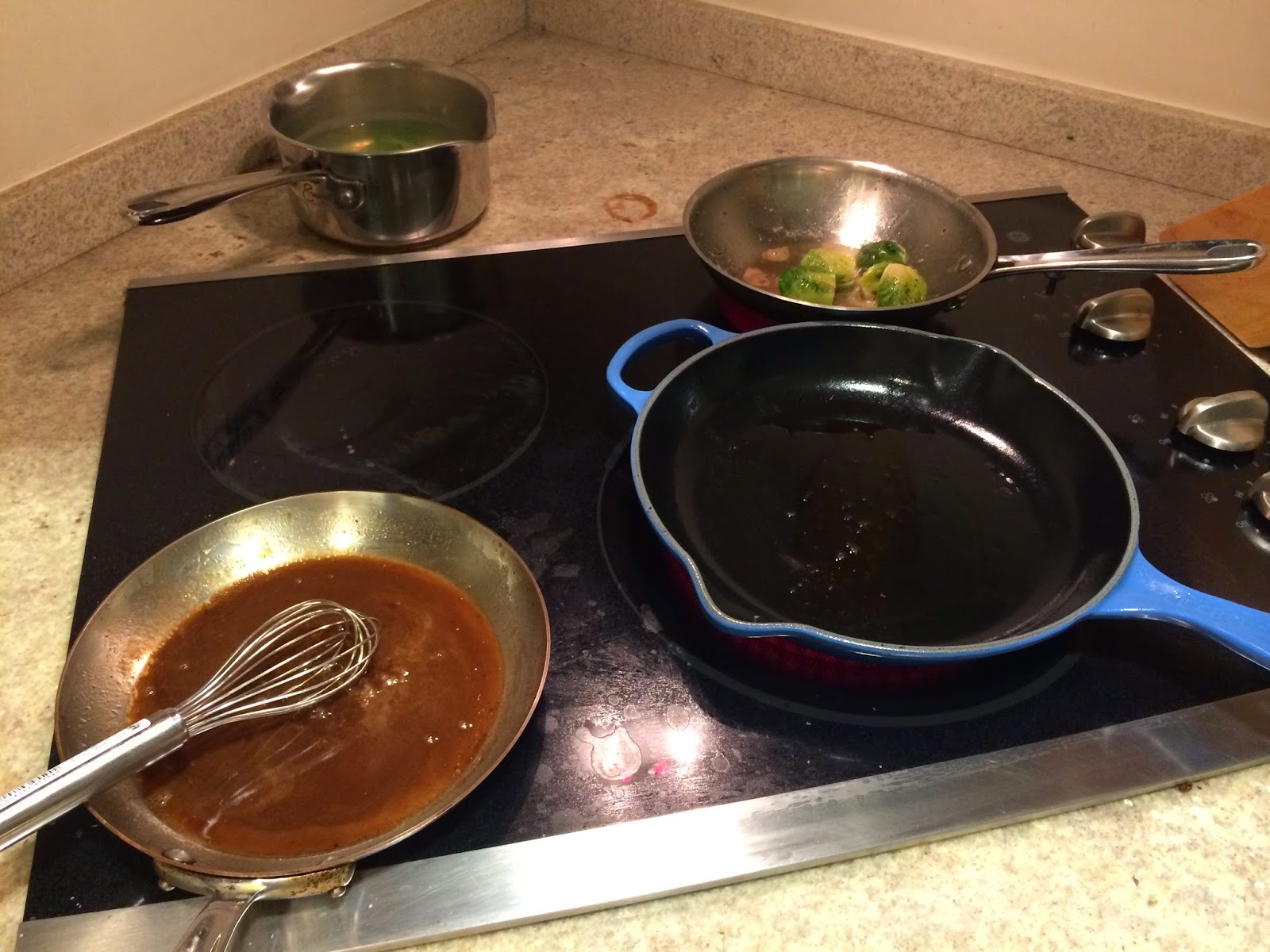
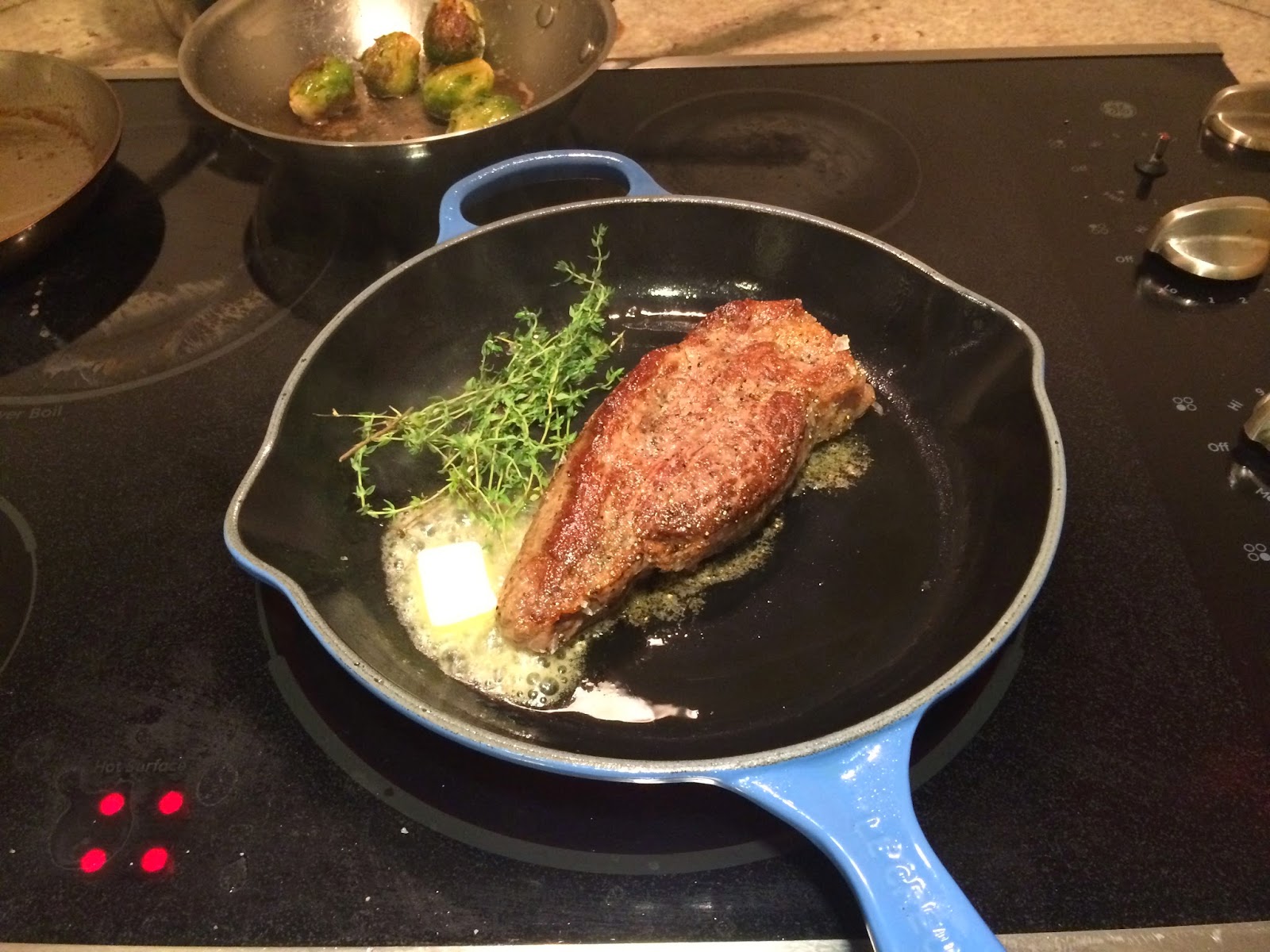
4. Remove the steak from the vacuum bag and pat dry with a paper towel and then cover with salt and pepper (Maldon salt is best!). Sear again, this final sear we baste with butter infused thyme! Also prepare your sauce bordelaise (red-wine sauce prepared previously and stored in freezer).
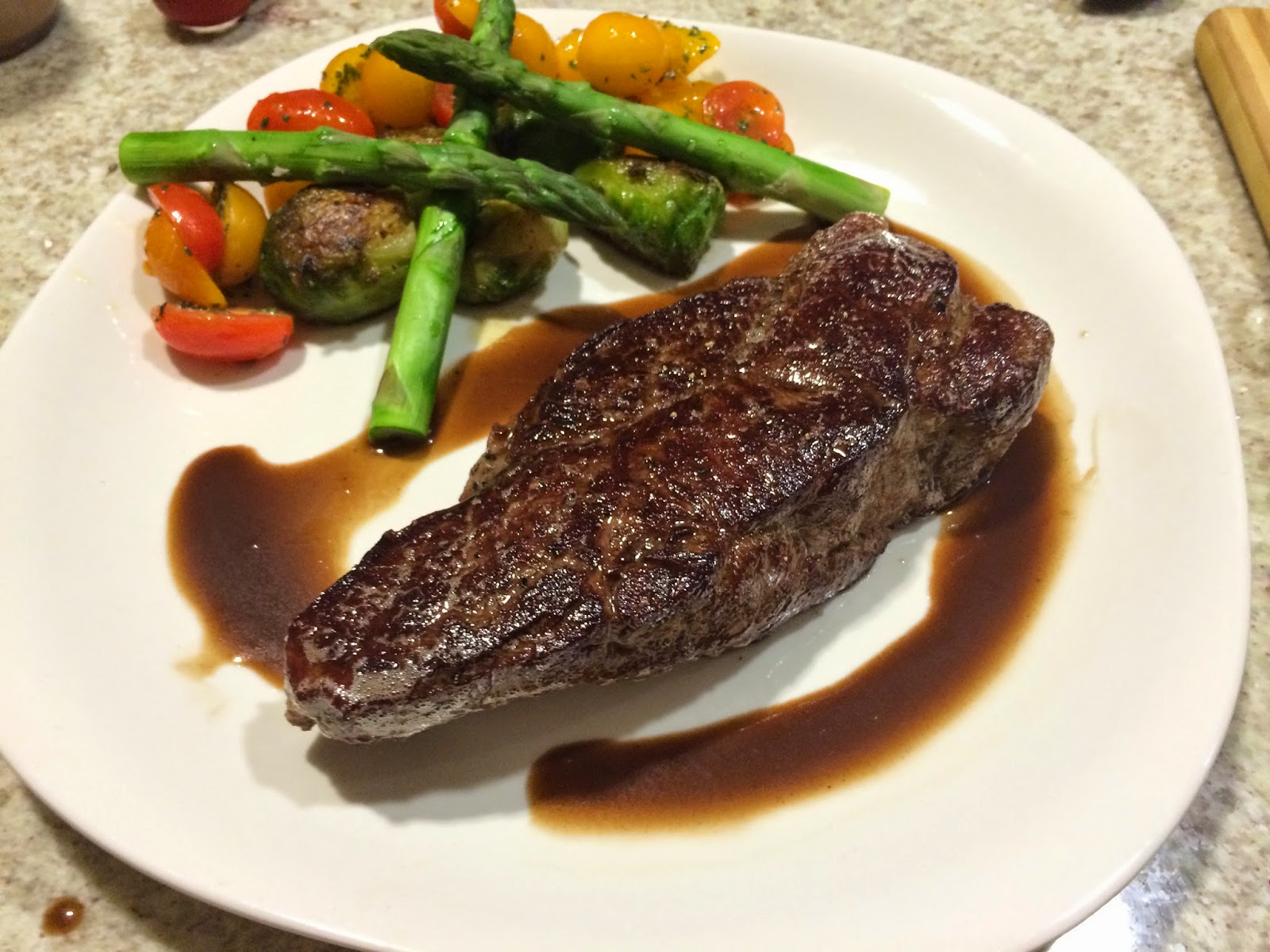
5. Plate with sauce and a few greens that will remind your stomach that you are no longer a meat-eating savage.  See that color. Red all the way through with an excellent crust on the outside, the crust thanks to the cast-iron skillet. Unbelievable

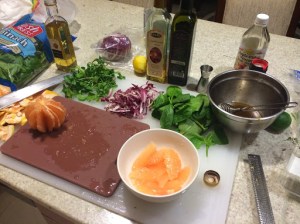
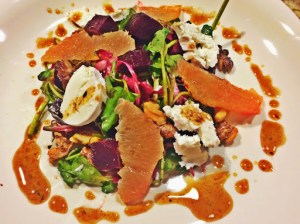
Economist Methodology: The Beetroot Salad

I live in a small open island economy where almost everything other than beetroot and lettuce are imported. Why not make a beetroot salad? How does an economist go about making a beetroot salad? My methodology uses a mixture of data, theory and hypothesis testing- like any good economist. Using a recipe book is too easy.

a) The data: Google search “beetroot salad”. Take top 20 or so recipes and look for the common ingredients. Where an ingredient turns up five or more times, record it. Digression: Economists love to gather data.  Data is used for almost everything we do, from understanding, to evaluating some social program in a poor developing country.

b) Theory: Salad is all about the senses in its rawest form (Sweet, sour, salty, bitterness, unami). I will add one other element. texture. The list of ingredients will then be reduced to form a final list for which to produce the salad.

Ingredients that complement beetroot revealed in my research were: Goats Cheese, Pine Nuts, Walnuts, Mint, Grape Fruit,  baby Spinach. 

c) Randomized trials: Not quite what an economist thinks of randomized trials, but lets call this step trial and error. From the list of ingredients produced in a) b) the final recipe is determined by the balance of the key senses.

d) The Recipe


Ingredients:
Young goats cheese (for creamy sourness)
Roasted walnuts (for crunch and for savoriness (umami))
Baked beetroot (for sweetness)
Radiccho lettuce (for bitterness)
Watercress lettuce (for pepperiness)
Grape fruit (for bitterness and sweetness together with juiciness for texture)
Radish (for crunch and earthiness)

Dressing
Olive oil
Walnut oil
Balsamic Vinegar
Salt and Pepper
Thyme leaves
Lemon zest

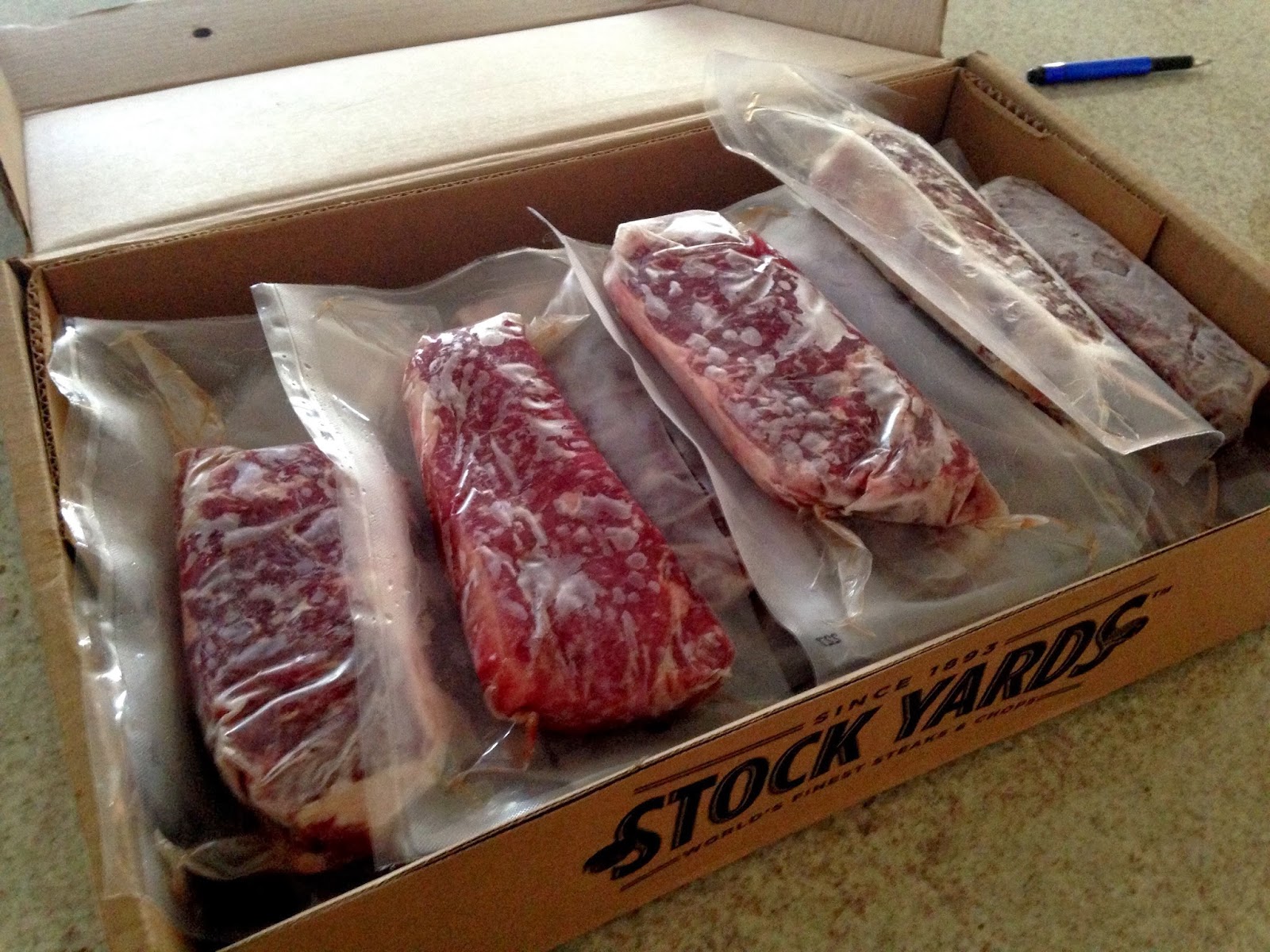
There comes a time when every expat desires the experiences he or she had back home. In my case it is highly marbled, highly expensive, dry aged angus beef. The supermarkets here seem to sell angus certified beef however it is often not that fresh, and poorly cut. So I made a few phone calls that led me to a hotel food supplier selling US prime angus beef, already portioned into steaks and vacuum packed. Unfortunately I had to buy 20 of them, costing around $300. So lets hope they are good, and my fridge doesn’t run out of electricity.

Despite this country going through a fairly severe recession business seemed to be strong at the hotel supplier, there appeared to be a number of members of the public buying products in bulk for home use like myself. One lady had purchased a rather huge wheel of parmesan cheese. She said she was going to make pizza out of it. A lot of it.

It is quite common for people to travel to Miami for the weekend and load their suitcase full of such products given the much higher price level at home. For a country with a very high CAD, and a fixed exchange rate this is not very helpful to the central bank. At least this hotel supplier made some very nice margins off me (those margins are the foreign currency that presumably stay in the country).

Tuna

This Tuna is produced in Suriname, exported to Miami, to be reexported to Barbados.  Barbados is relatively close to Suriname in distance.  An example of the difficulties facing small island economies where much of the food supply is imported, without economies of scale and without deep-water ports to take large supply vessels leading to a lack of direct shipments, all contributing to relatively high price levels for simple produce

The inaugural post for the blog about Economics and Food, and of course the combination of these two very great activities. I currently work in Economics and I travel a lot. The food that I consume while traveling will be discussed in this blog, with of course with a touch of economic analysis.  Please share your comments and views.