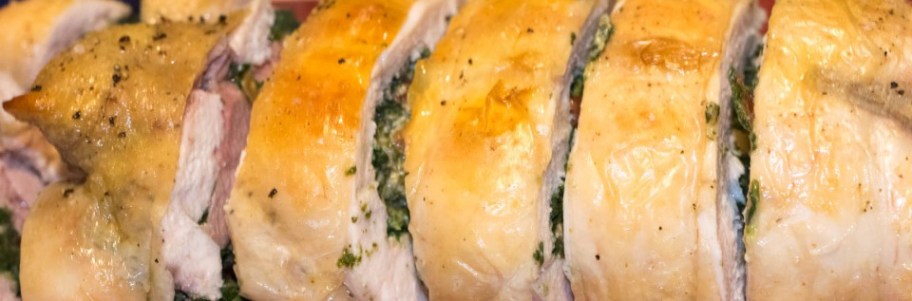
I live in a small open island economy where almost everything other than beetroot and lettuce are imported. Why not make a beetroot salad? How does an economist go about making a beetroot salad? My methodology uses a mixture of data, theory and hypothesis testing- like any good economist. Using a recipe book is too easy.
a) The data: Google search “beetroot salad”. Take top 20 or so recipes and look for the common ingredients. Where an ingredient turns up five or more times, record it. Digression: Economists love to gather data. Data is used for almost everything we do, from understanding, to evaluating some social program in a poor developing country.
b) Theory: Salad is all about the senses in its rawest form (Sweet, sour, salty, bitterness, unami). I will add one other element. texture. The list of ingredients will then be reduced to form a final list for which to produce the salad.

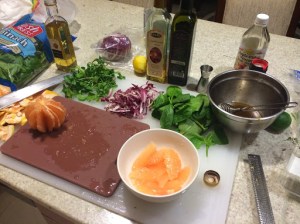
c) Randomized trials: Not quite what an economist thinks of randomized trials, but lets call this step trial and error. From the list of ingredients produced in a) b) the final recipe is determined by the balance of the key senses.
d) The Recipe
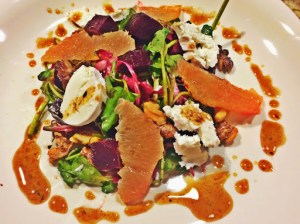
Ingredients:
Young goats cheese (for creamy sourness)
Roasted walnuts (for crunch and for savoriness (umami))
Baked beetroot (for sweetness)
Radiccho lettuce (for bitterness)
Watercress lettuce (for pepperiness)
Grape fruit (for bitterness and sweetness together with juiciness for texture)
Radish (for crunch and earthiness)
Dressing
Olive oil
Walnut oil
Balsamic Vinegar
Salt and Pepper
Thyme leaves
Lemon zest
 EconEats
Interesting methodology… But definitely can't argue with the results, which look great.
Also, WordPress may be better if you plan to keep this up — so much easier to expand
LikeLike
Thanks re WordPress. Blogger was easier to set up and free. If I stay committed, I will switch over
LikeLike