Sous Vide Pork Belly – Perfection after three days.

I am not traveling for work for a few weeks, allowing for experimentation with different ingredients and techniques. Why not pork? Pork is locally produced on the island in which I live. This means it is relatively cheap and fresh. Pork belly truly is a fantastic cut of the pig, but it needs to be slow cooked for a considerable period of time to ensure that it is tender. This long cooking time has in the past dried out the meat, so a brine was used here.

Start by a 24 hour, 5 percent salt and 2 percent sugar brine. Pork belly has been quite dry in previous attempts, so the brine will put additional moisture into the meat.

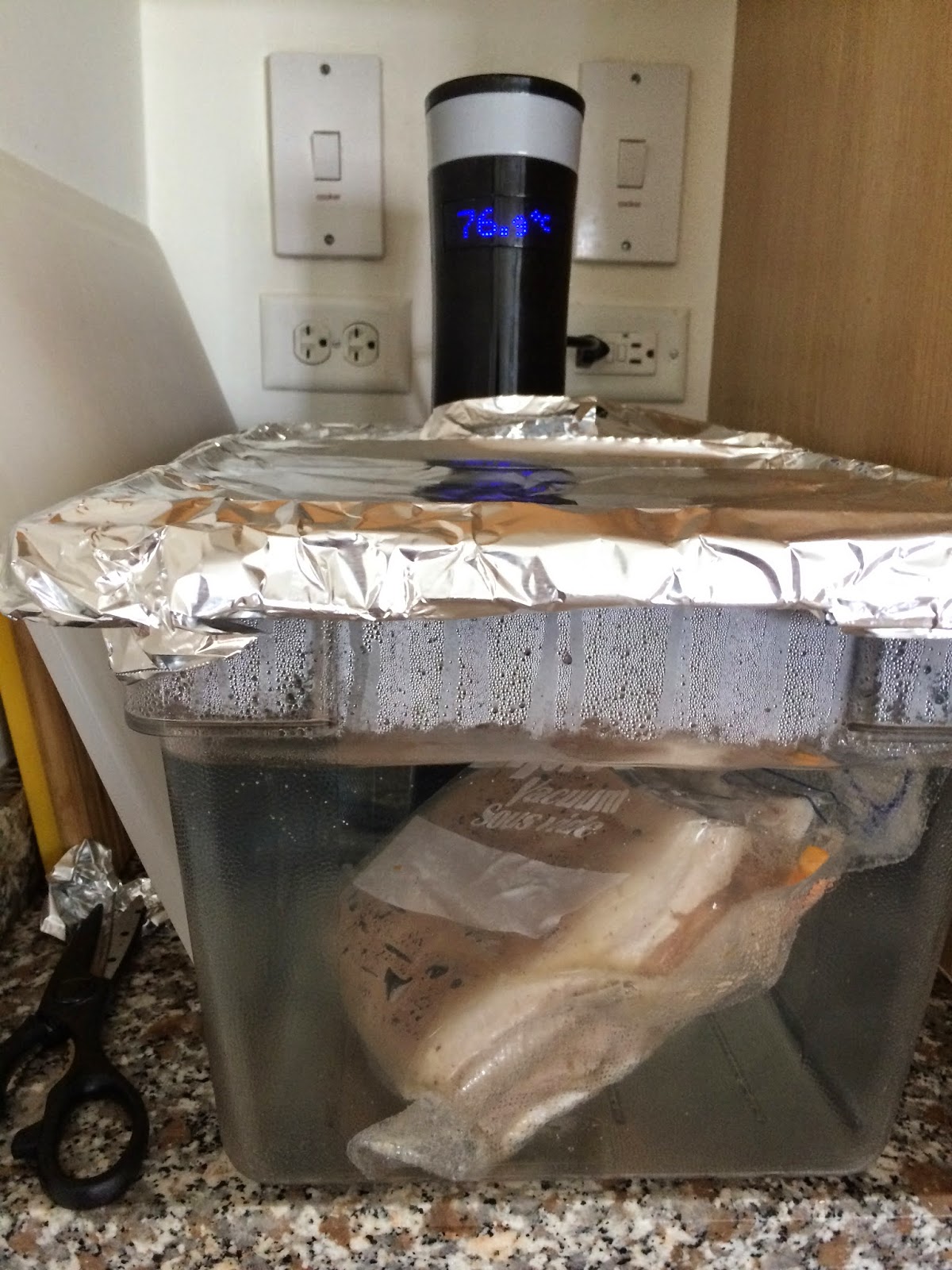
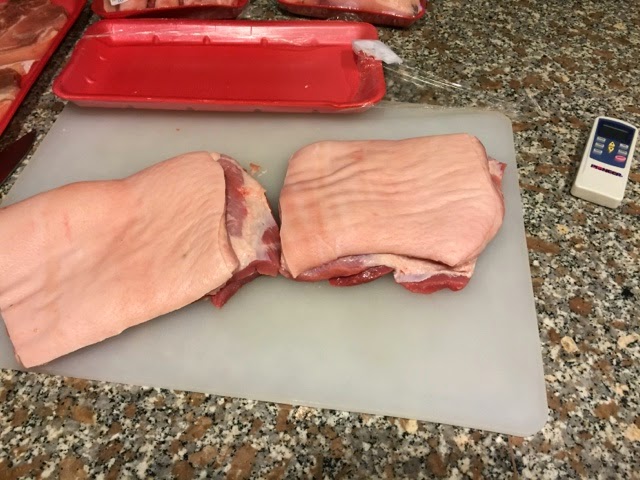
Sous vide the pork belly for 12 hours at 77 degrees celsius (from 8pm to 8am). Once cooled, flatten the pork belly in its vacuum sealed bag and refrigerate for another 10 hours or chilled through.

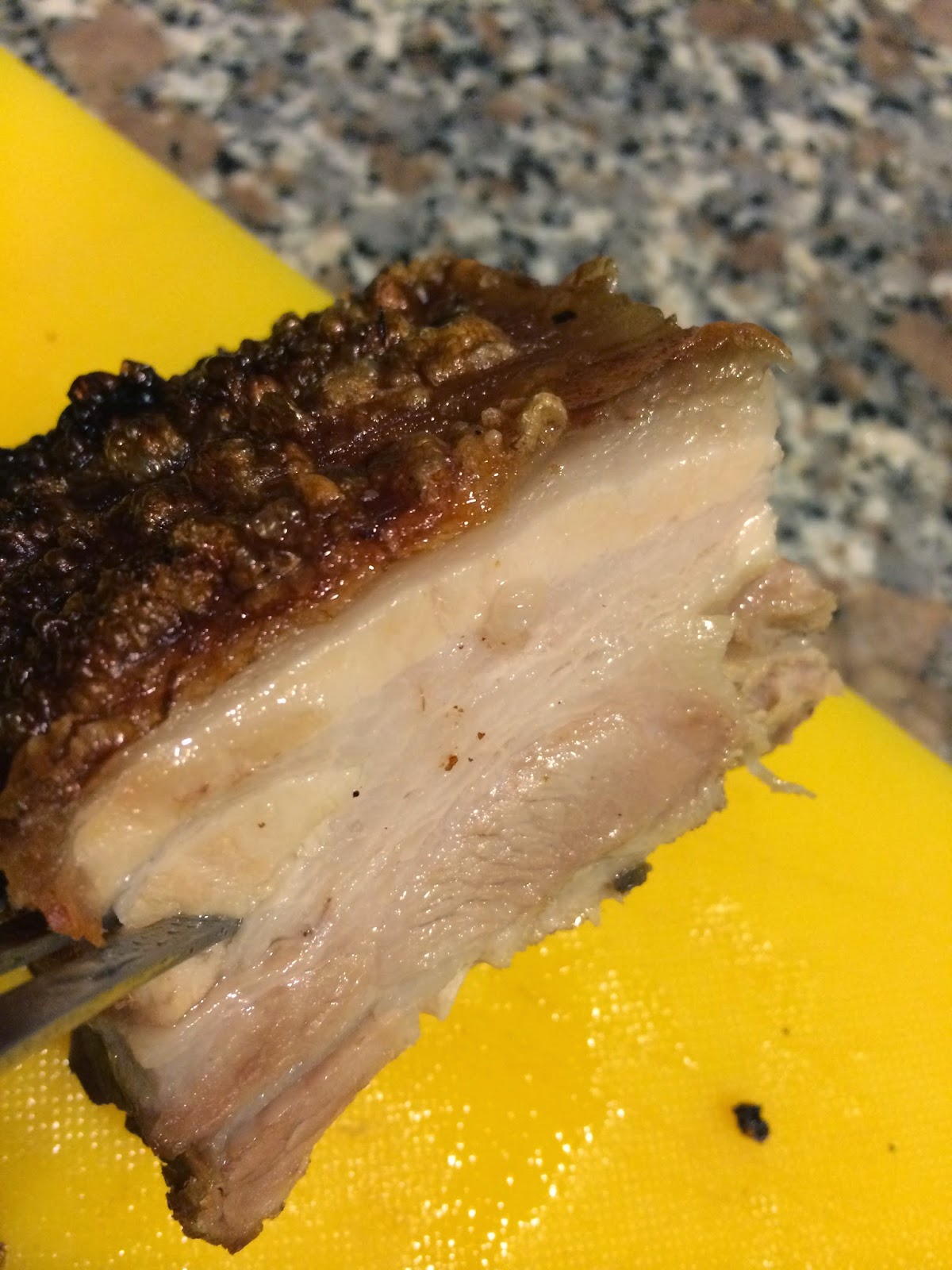
The pork belly will be surrounded by a nice thick jelly, indicating the sous vide had done a glorious job! Portion the pork belly and vacuum seal until needed for cooking

Cook all sides of the pork belly in a hot pan and then finish in a warmish oven to ensure they are warm all the way through

Absolute amazing. Cracking was perfect, and juicy inside. 

Tasting notes:  Simply awesome. No fancy sauces required.

Pain aux Raisin

I am finally on the island for a full weekend. This allows for a long and complicated recipe. Perhaps one of the most complicated, tricky recipes of them all is making a French classic – Pain Aux Raisin. Not only does one need to make the croissant dough, there is the addition of pastry cream and raisins. The classic recipe has very little sugar, so it is little surprise that the direct translation is Raisin Bread! This differs starkly from similar pastry’s had in north America that are full of sugar.

The first step is to make the basic dough recipe. Simply milk, flour, yeast, sugar, salt in the basic recipe (straight from Larousse Gastronomique). This is done 2 days before the final baking.

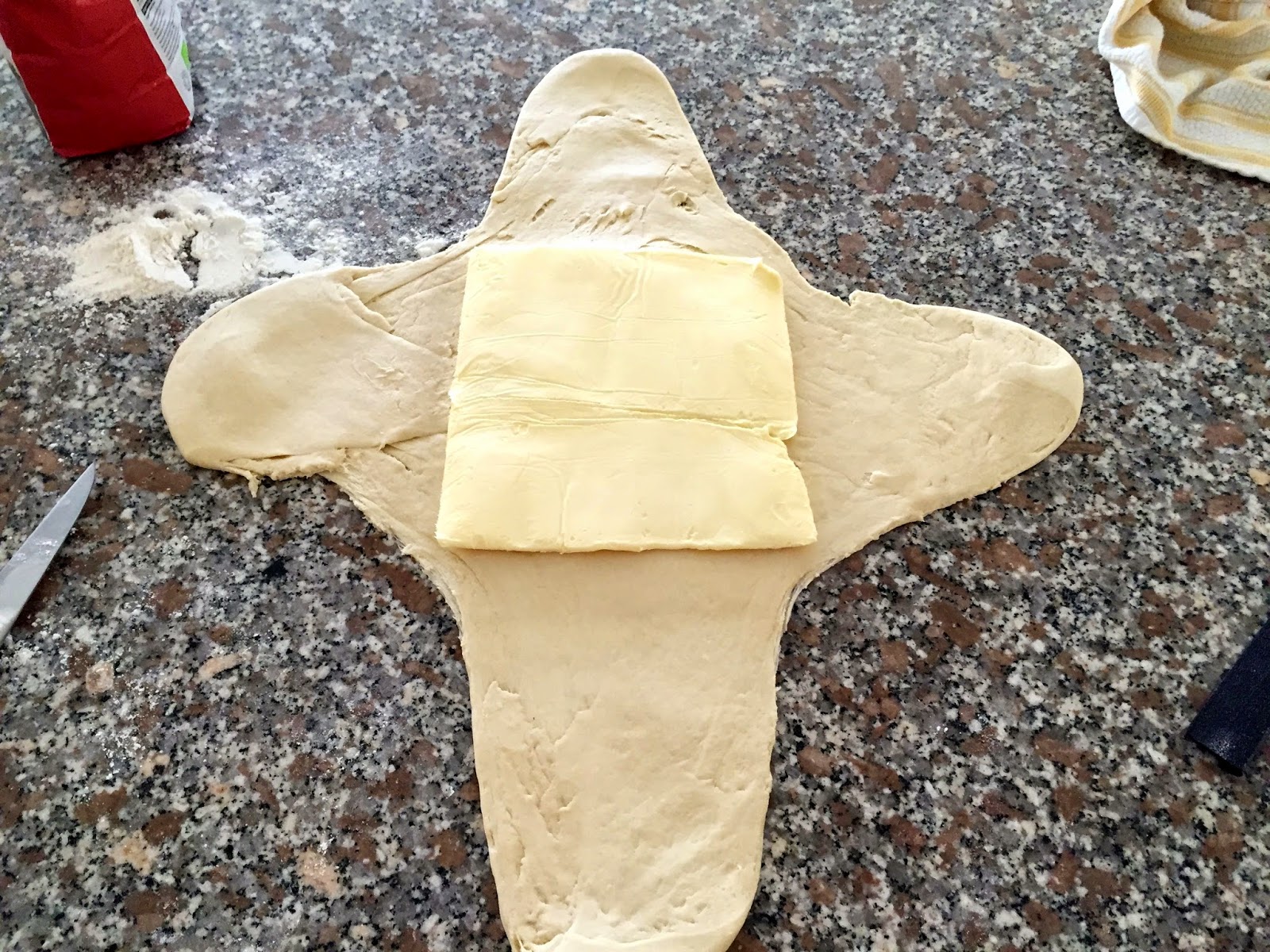
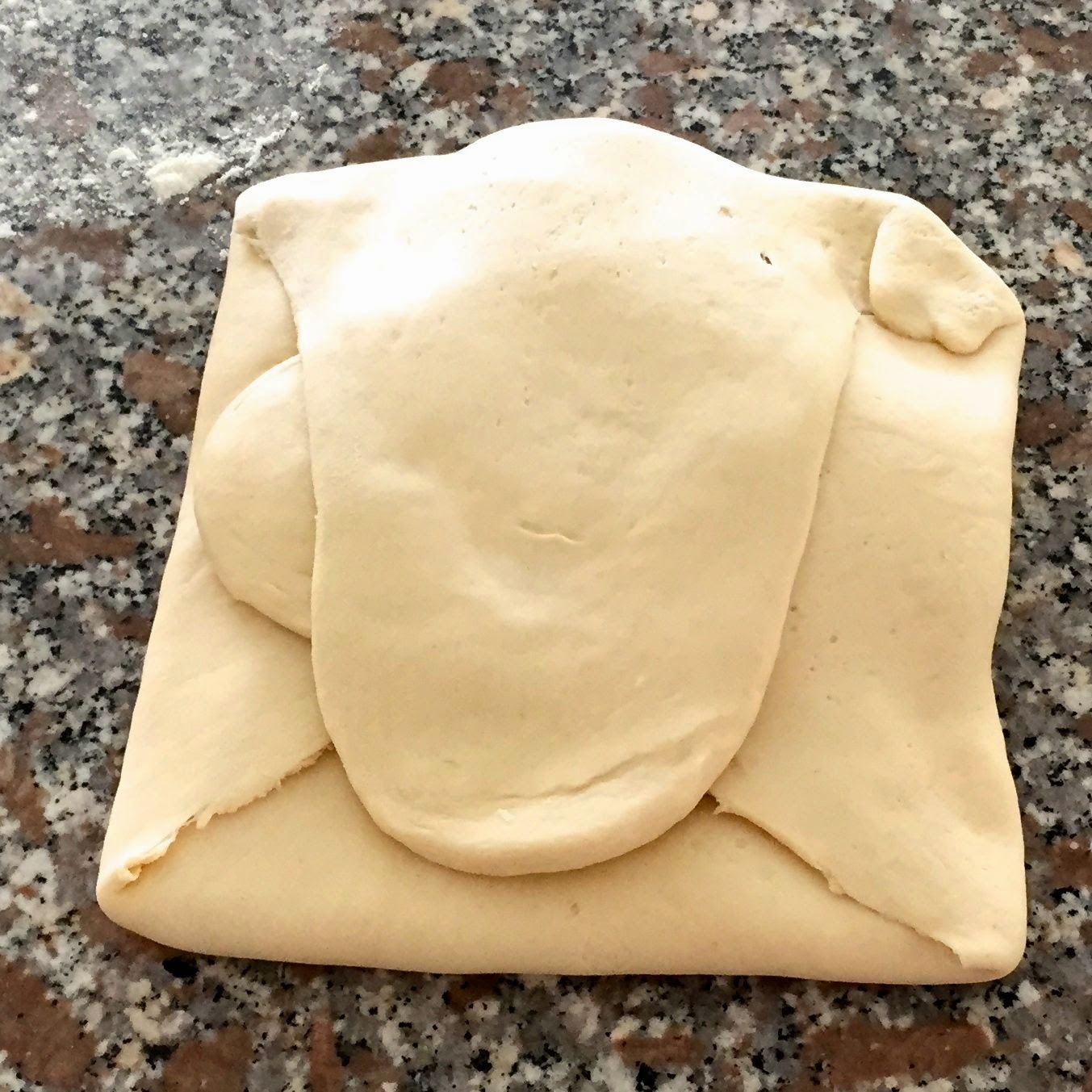
On day 2 the next step is to fold in the butter. Beat the butter into a square shape, then fold up like a parcel.

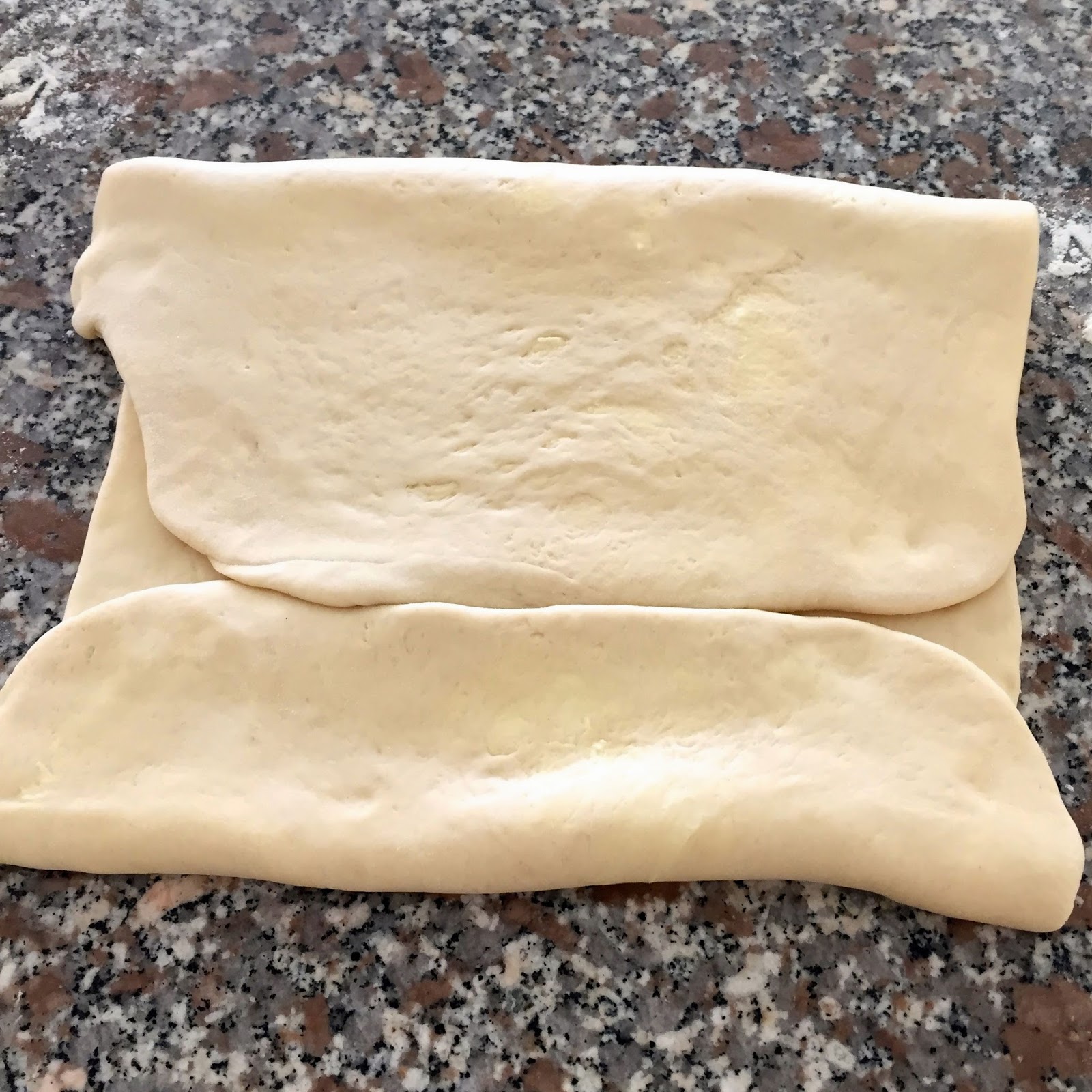
Roll the buttery dough into one long rectangle. Fold the top two thirds,  and the bottom third, complete with a double fold. This means the pastry now has four folds.

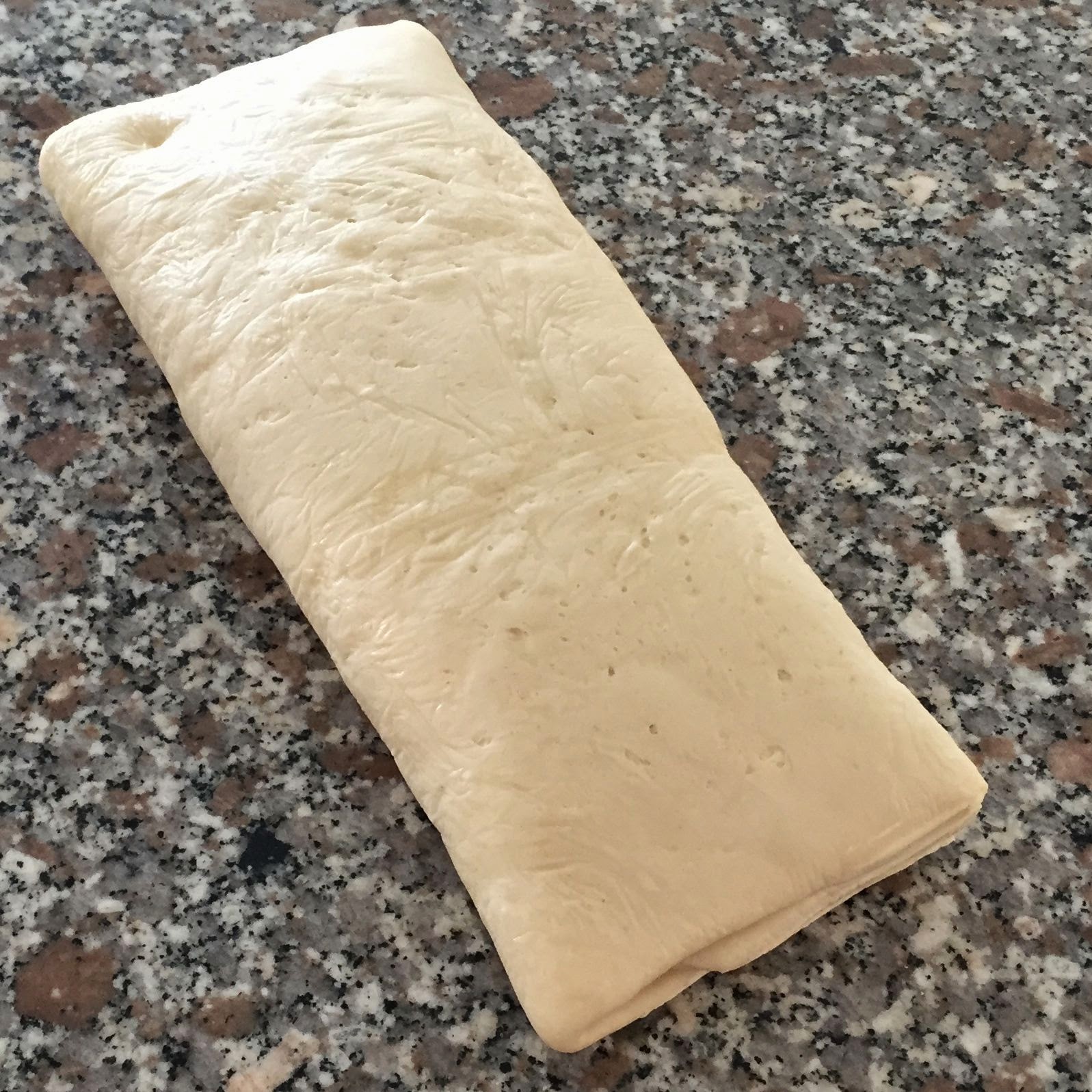
 Repeat this step three times and you have 64 layers of buttery pastry. 4*4*4 = 64. Look at all those layers. Cut in half to make it easier to deal with. Unbelievable.

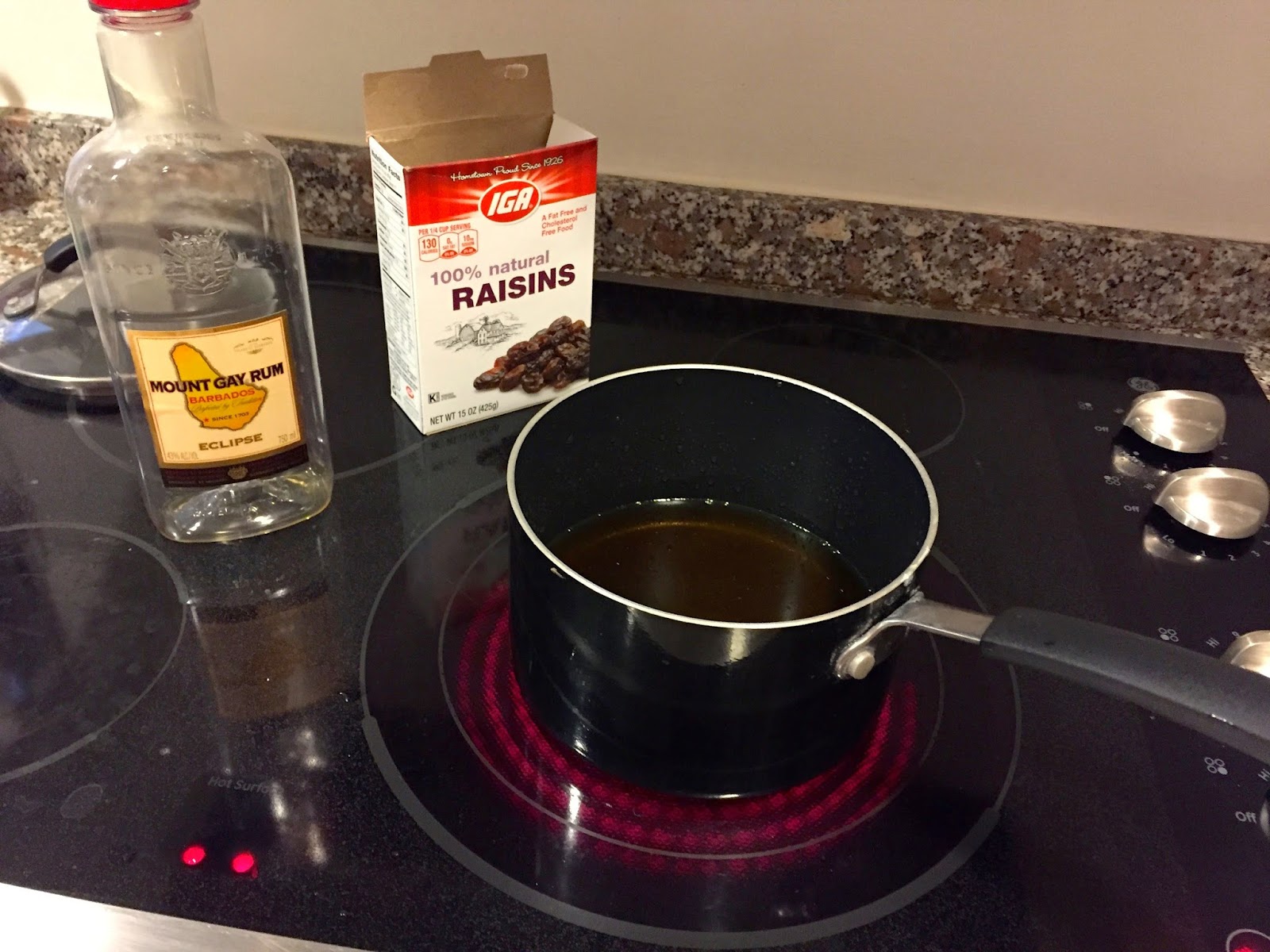
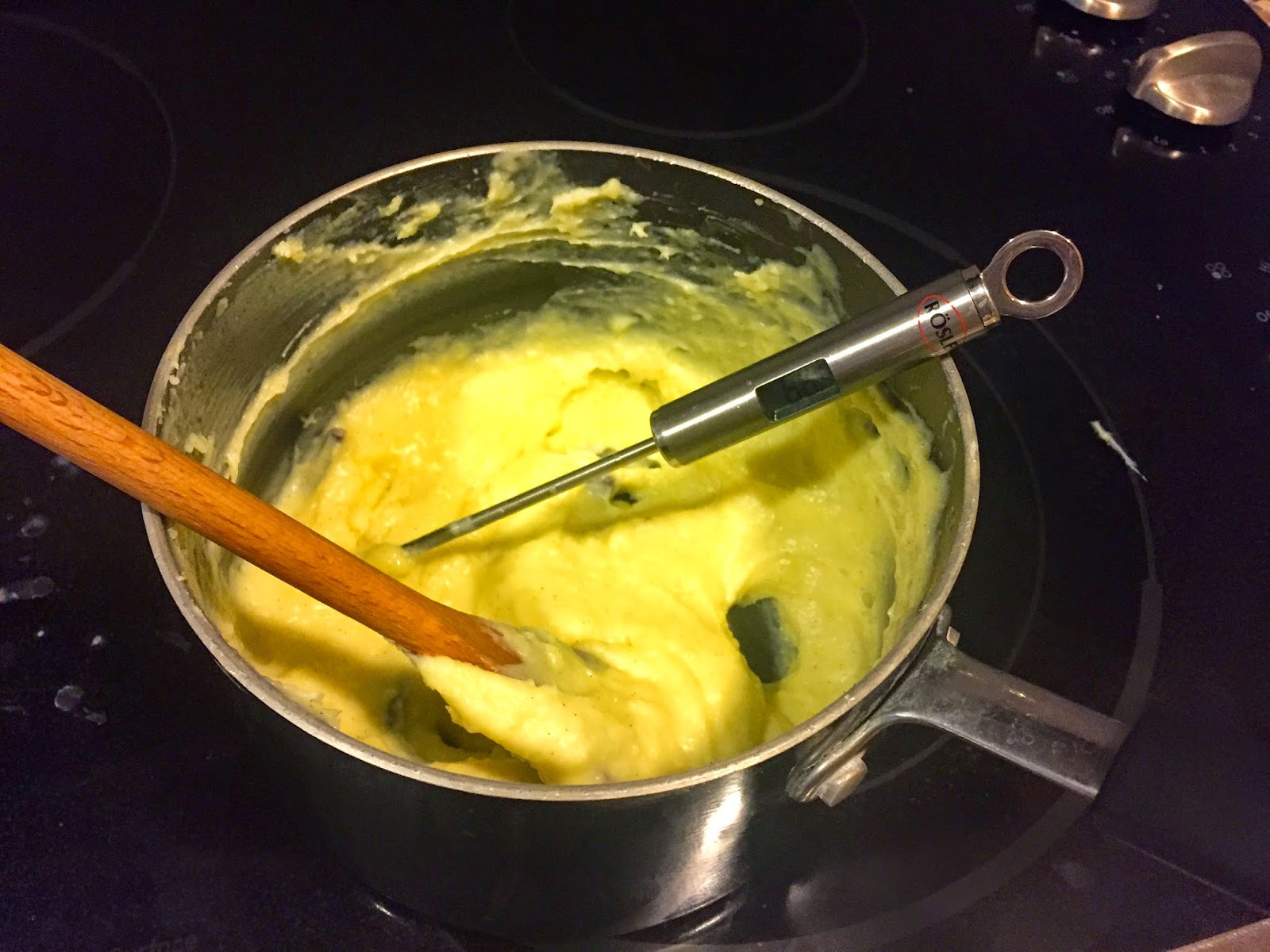
Mean while soak the raisins in Rum for 2-3 hours, also make the pastry cream. Pastry cream is just Milk, Vanilla, Sugar, corn starch, and egg yolk.

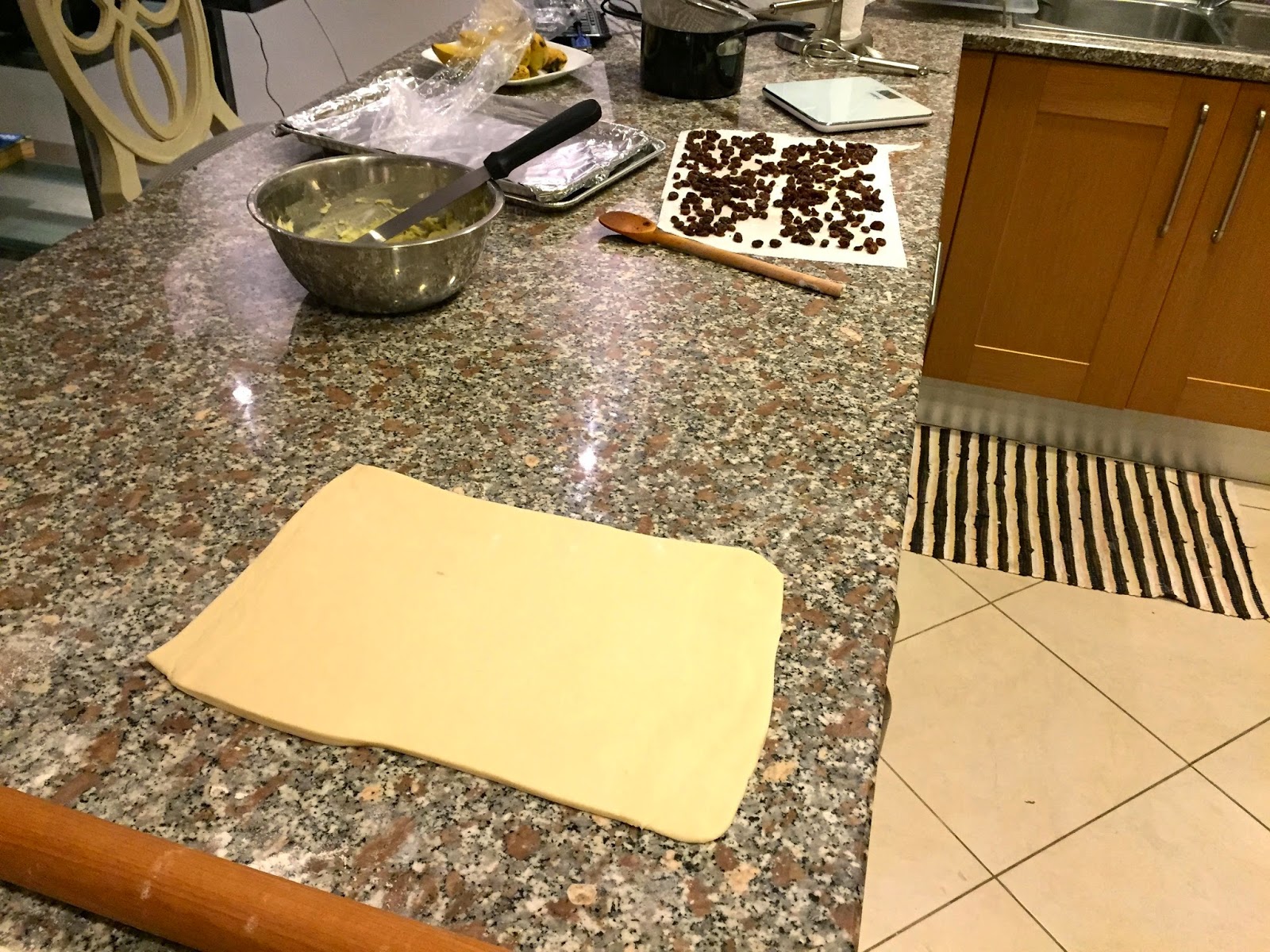
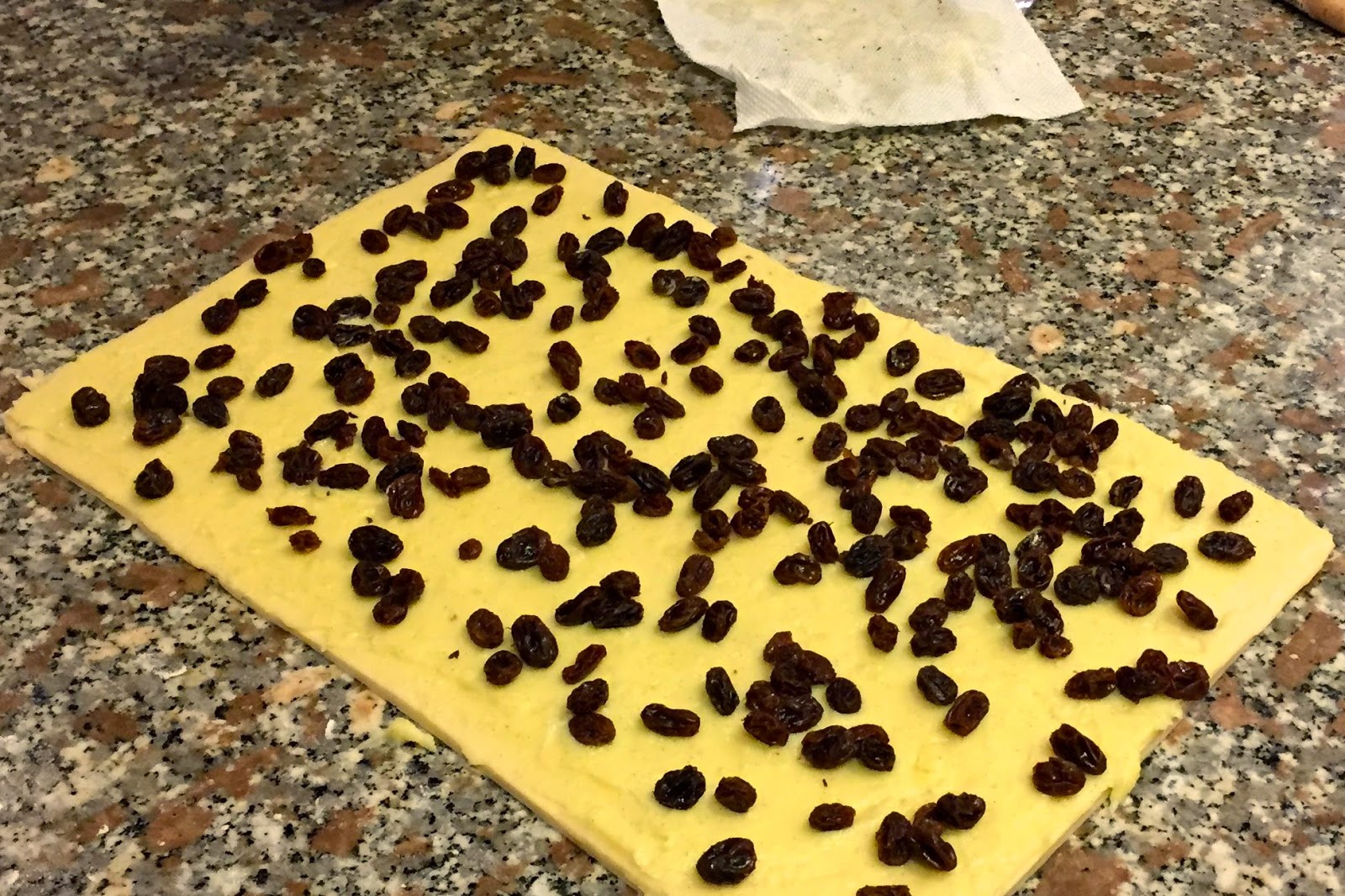
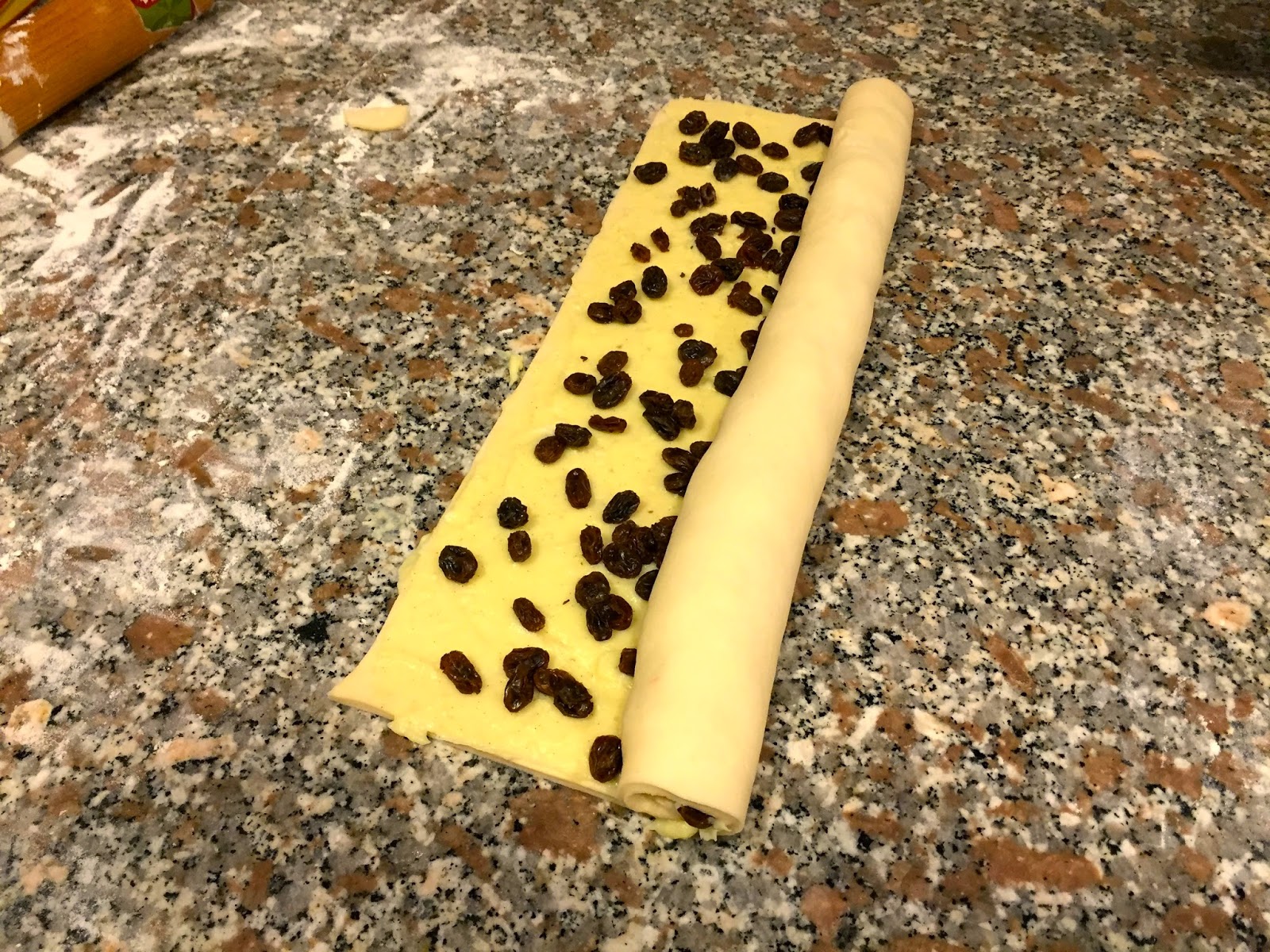
Now the fun part. Roll out of the pastry, around 1/2 cm thick. Then line carefully with pastry cream and cover randomly with the raisins.

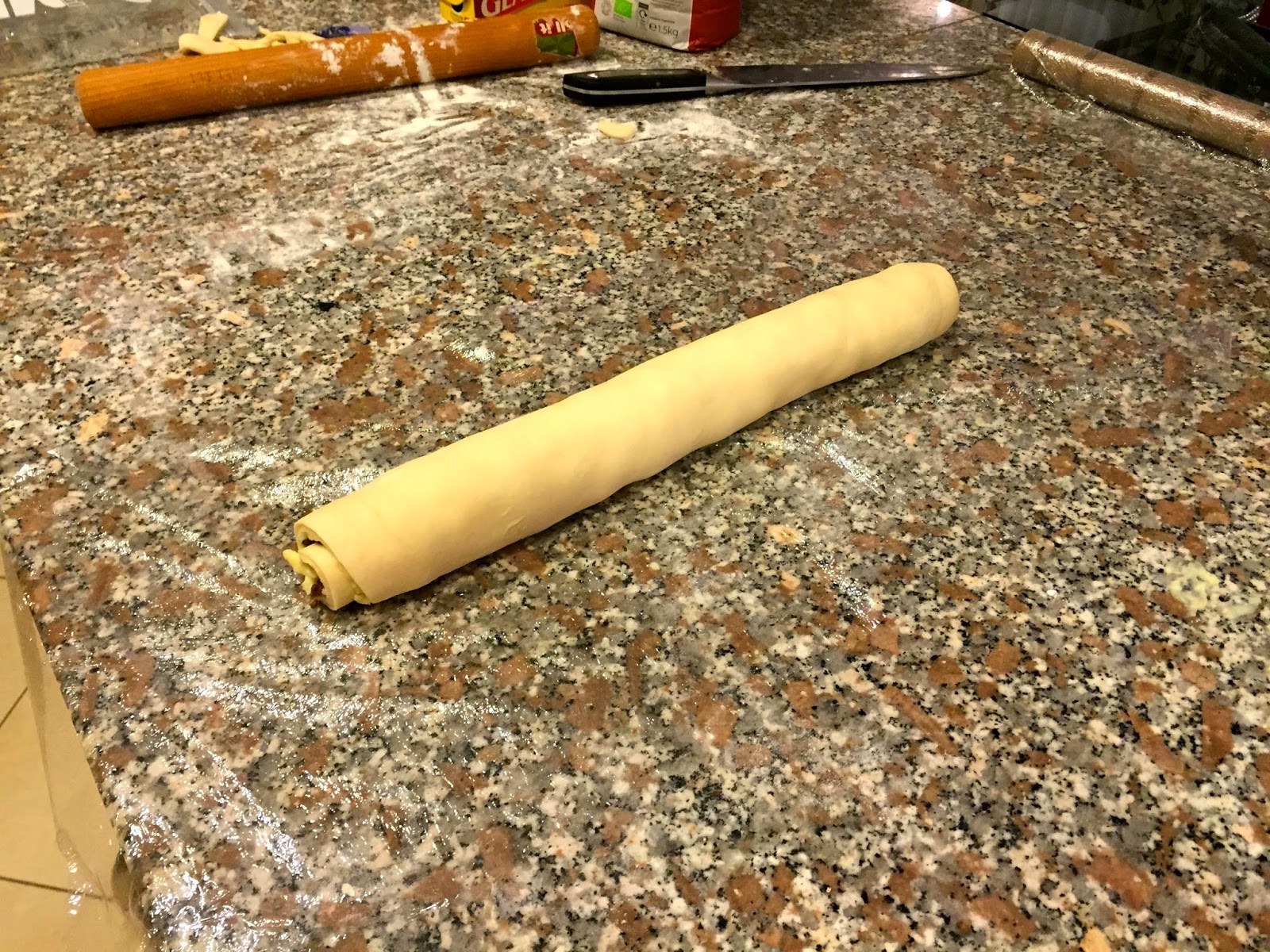
Begin rolling up the pastry. Not too tight, not too loose.  At this point you can cut it up into pieces, and proof. I needed to take the final product to work the next morning, so I wrapped the log in plastic and put it in the fridge over night.

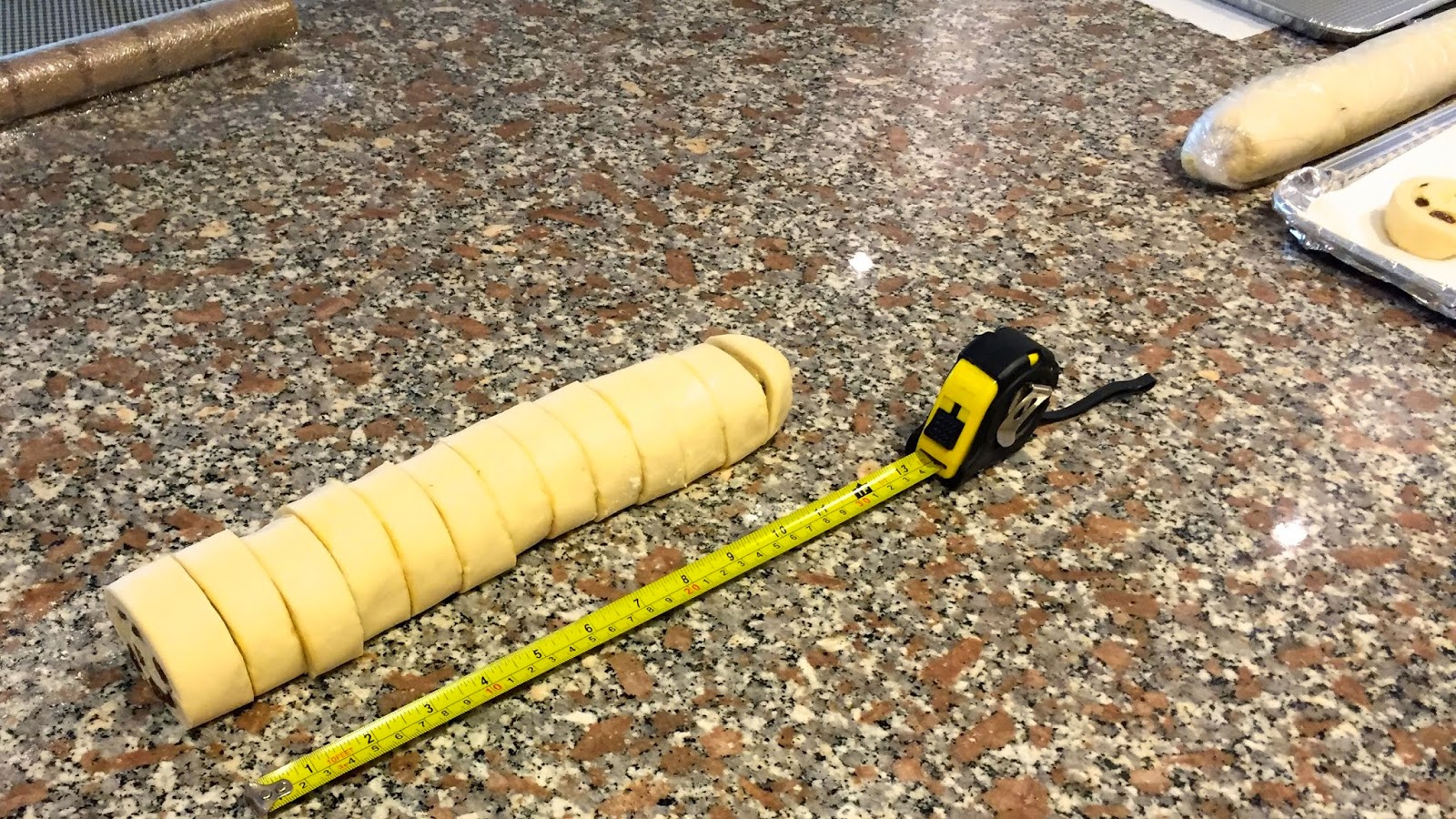
Day 3:  Cut into 2.5 centimeter pieces and lay on baking paper (silicone sheet if you have one). Paint with egg yolks and leave to proof for 2 hours or so.

 Look at them almost double in size. Reapply egg. Bake at around 200 degrees c for 15-20 minutes (mine needed just 16 minutes)

 The final product.

Tasting notes: Very little sweetness. Could benefit from more pastry cream, and perhaps sweetness could be added at this point. Pastry also lacked distinct butter flavor, add greater amount of butter to original pastry recipe (250g instead of 200).
The best chicken ever made?

If you thought cooking a chicken was taking it out of the plastic packet and sticking it in the oven, you were wrong. The following procedure tests Heston Blumenthal method of cooking a the humble chook.
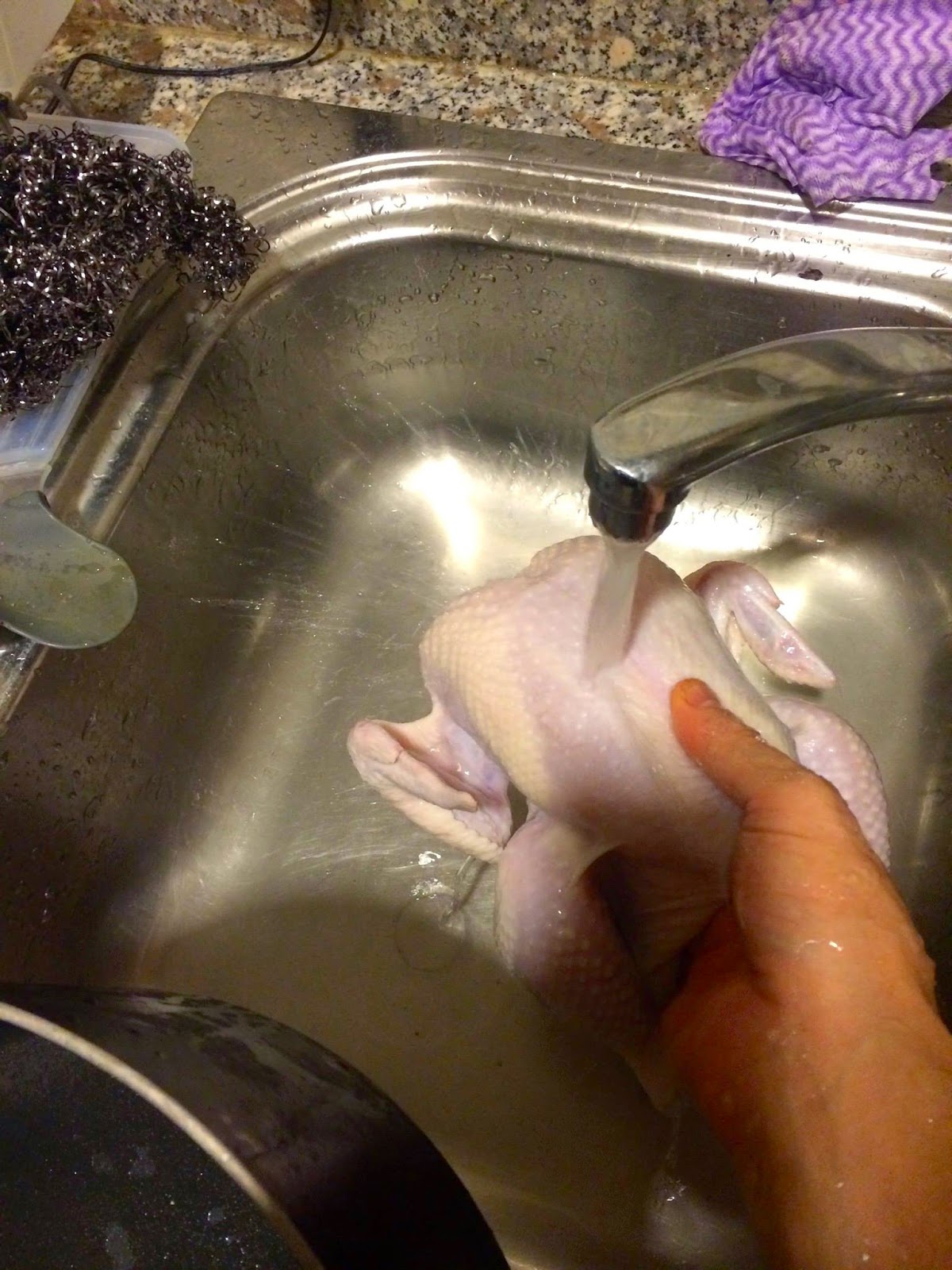
1. Brine the chicken for a number of hours. I used a 5 percent brine solution for half a day. Rinse the chicken well, I soaked it for a further hour in plain tap water.

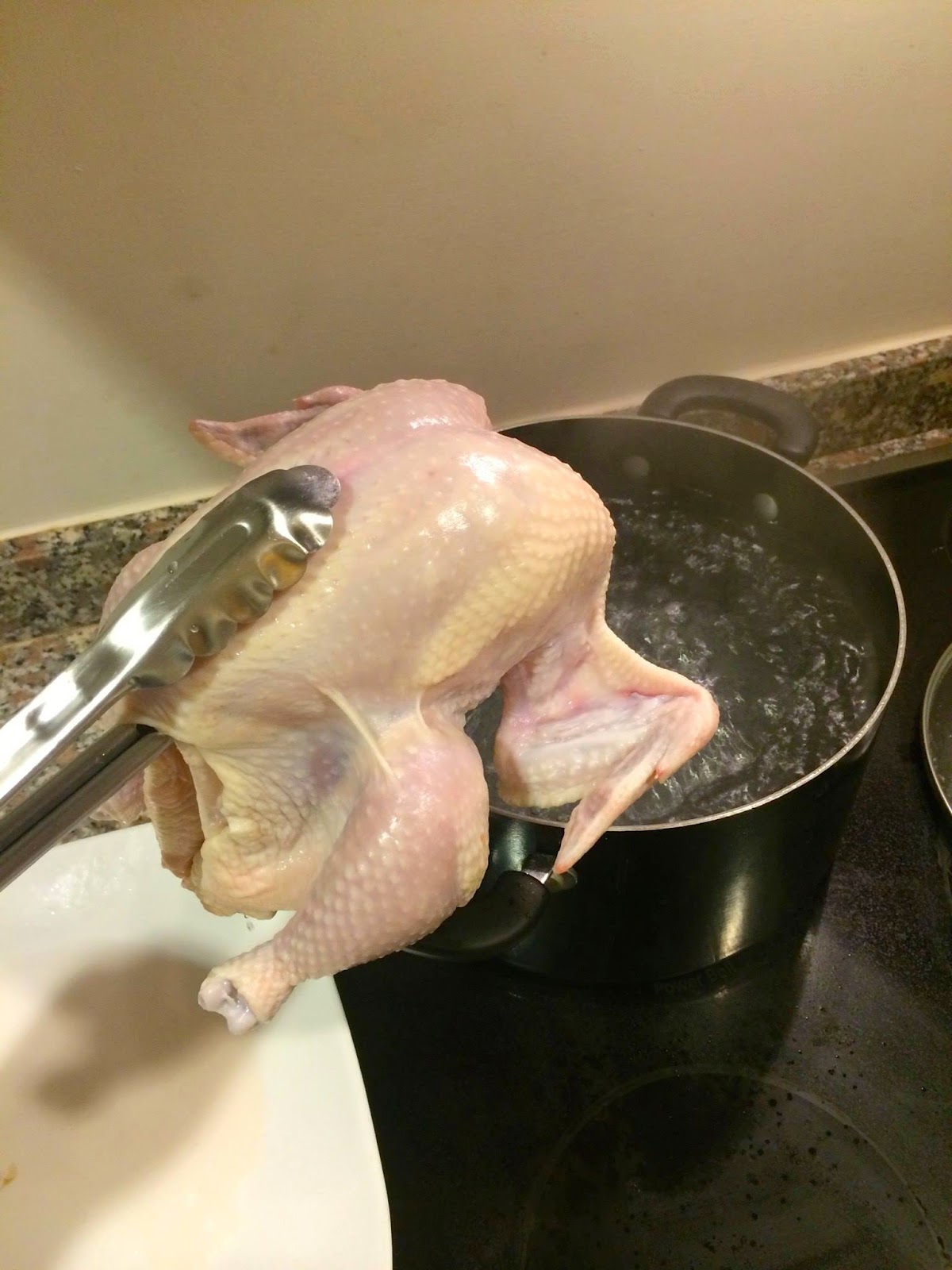
2. Copying the Chinese technique of getting crispy skin on their roast duck, the chicken is placed into boiling water for 30 seconds, and cooled in an ice bath. This perhaps releases fat under the skin thus removing moisture (? no idea really).
3. Leave the chicken in the fridge uncovered overnight to dry out the skin (below on the left re on the left after 20 hours in the fridge uncovered). 
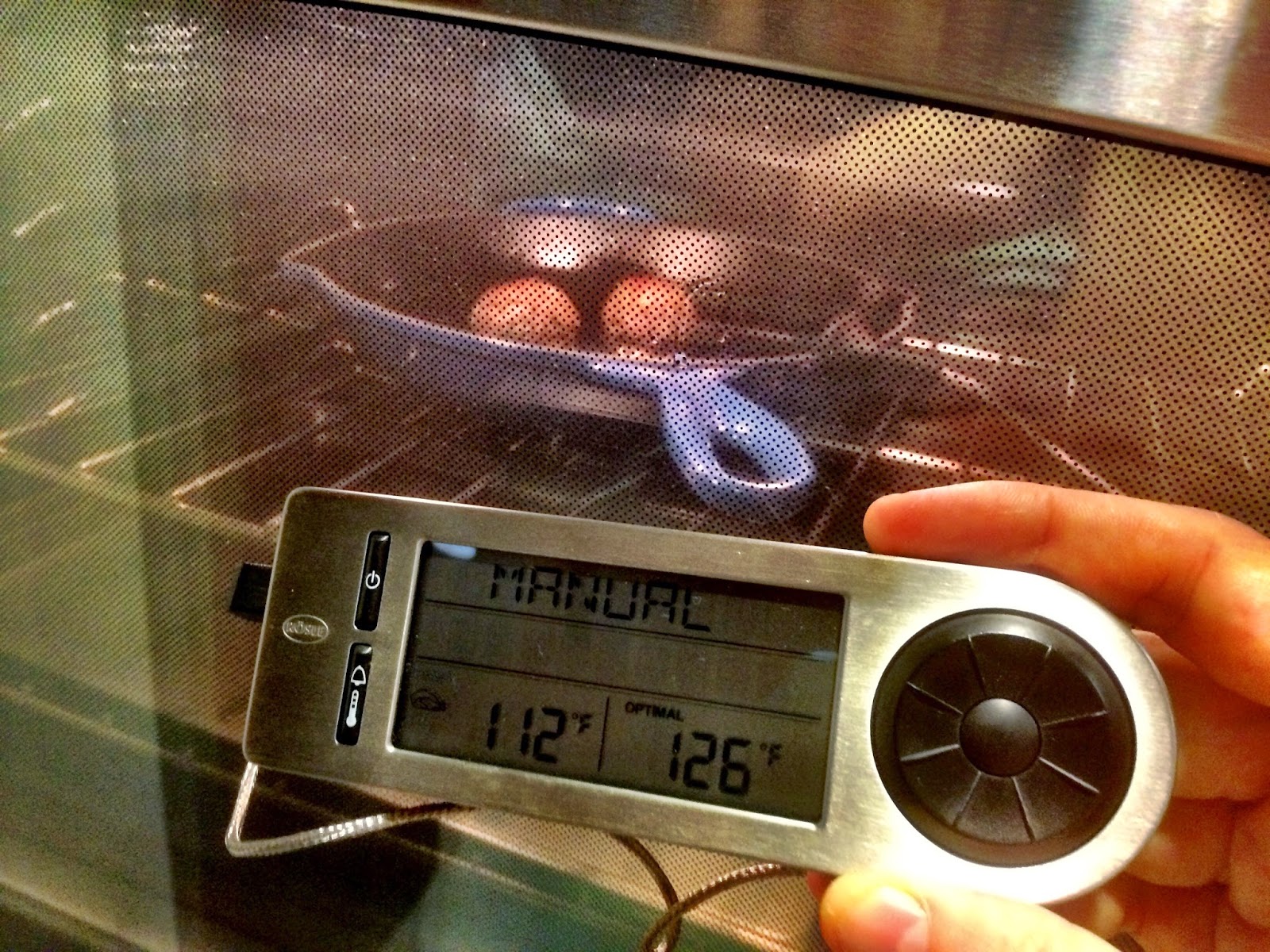
4. Place the chicken in the oven at incredibly low heat, the lowest the oven goes. I got mine to around 90 degrees Celsius until the internal temperature reaches  62 degrees. Mine took around 2 hours. See on the picture below, on the right, the chicken has no color at this stage. 

5. Rest out of the oven for around 45 minutes, then turn the oven up to as hot as it can go, at least 220 degrees celcius. Once the oven reaches temperature blast the chicken for 10-20 minutes.

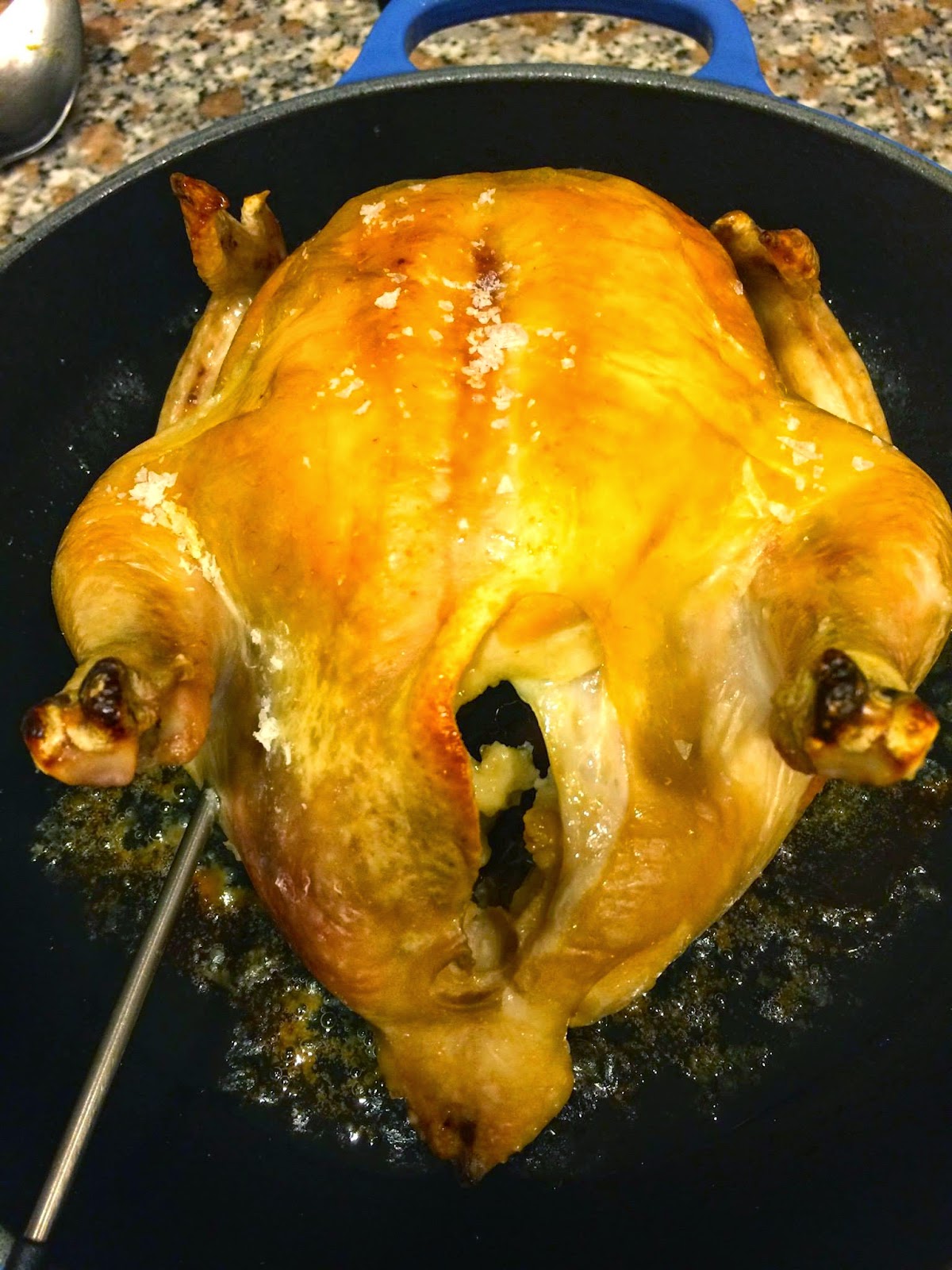
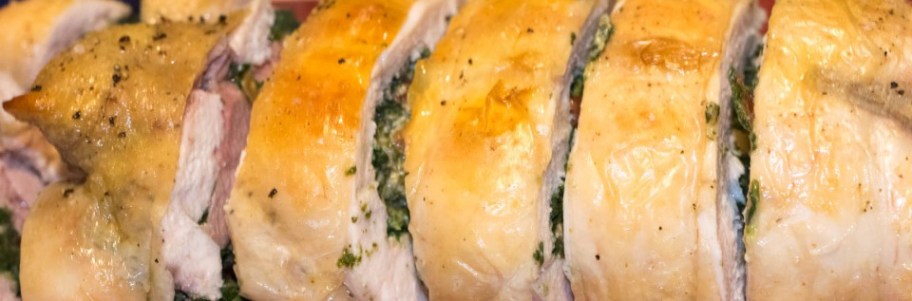
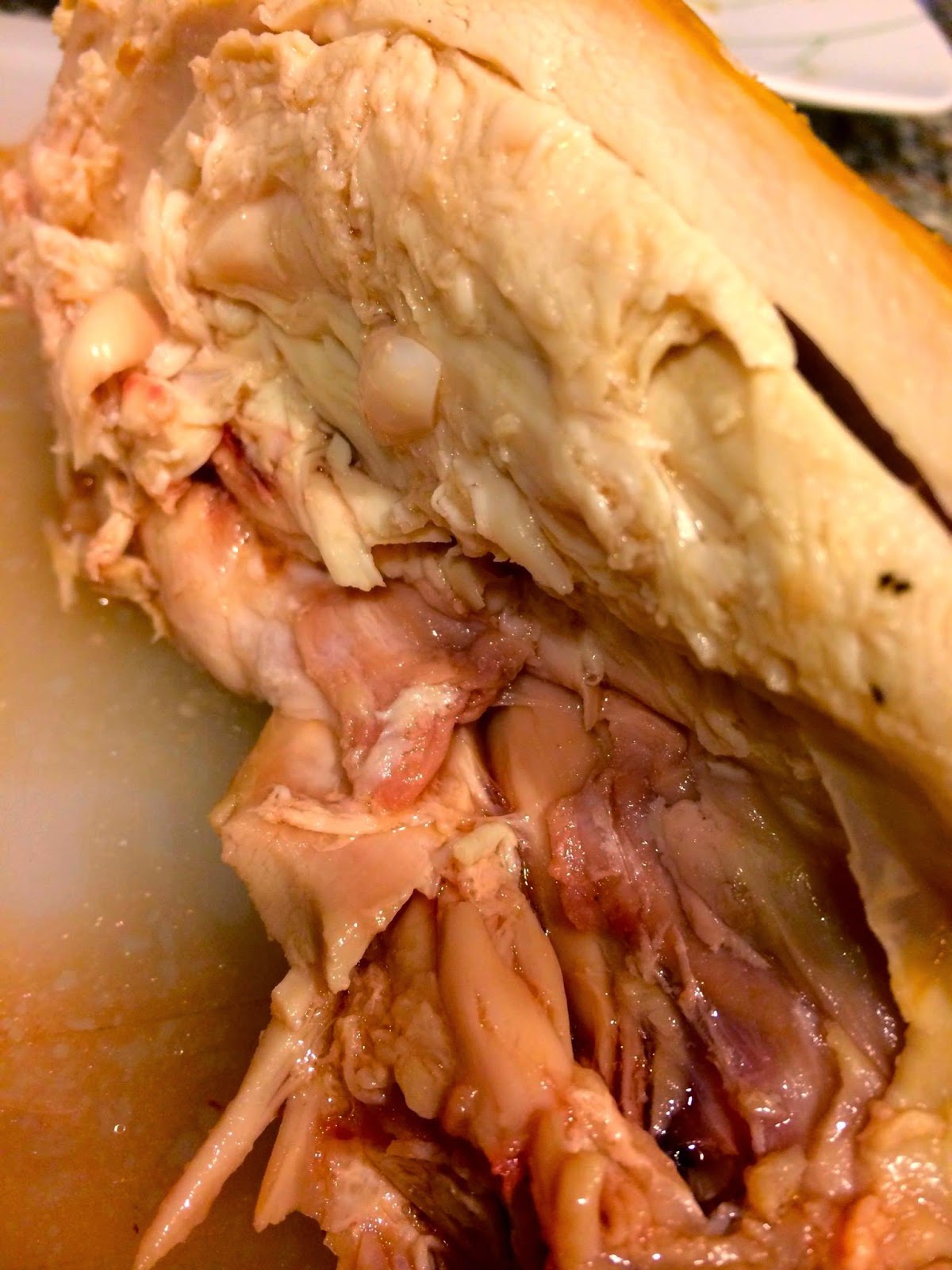
Above the juiciest bird I have ever eaten, with amazingly crispy skin. I have never had the thigh and breast perfectly cooked together. The middle picture is the underside of the breast and thigh when carved straight off the bone. The picture on the right shows the carved breast. The answer is the very low cooking temperature at the beginning. The brine also helped to keep the breast moist.

Tasting notes: A little salty, either reduce brine time, or brine concentration. Try leaving out the blanch phase, or even the rest in the fridge.

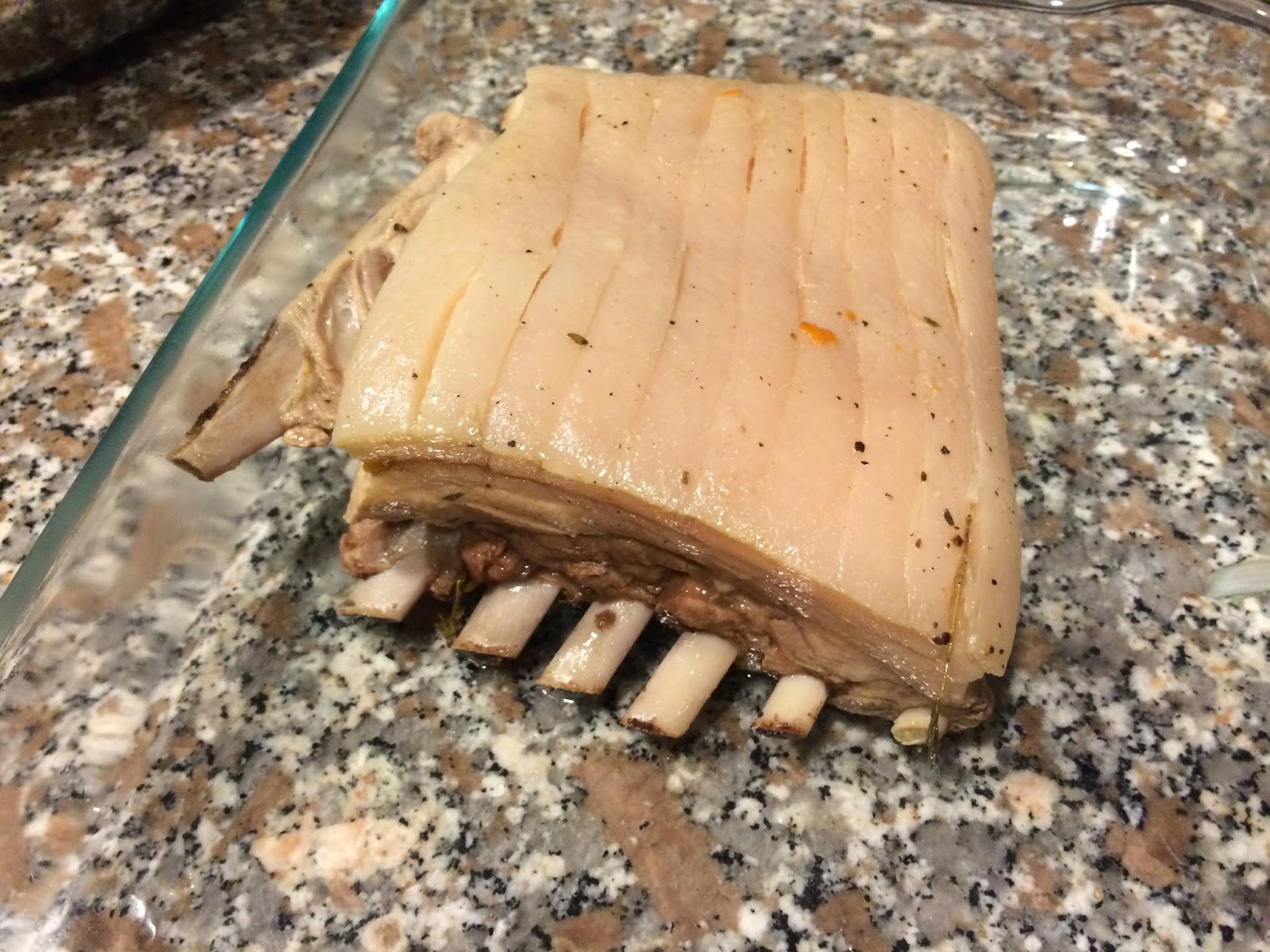
Sous vide pork belly (with ribs attached)

A very nice piece of locally sourced pork means that this recipe supports the local economy. It does not support climate change as we will see. The fuel import bill for the island may have increased to support the electricity inputs into this succulent belly. 
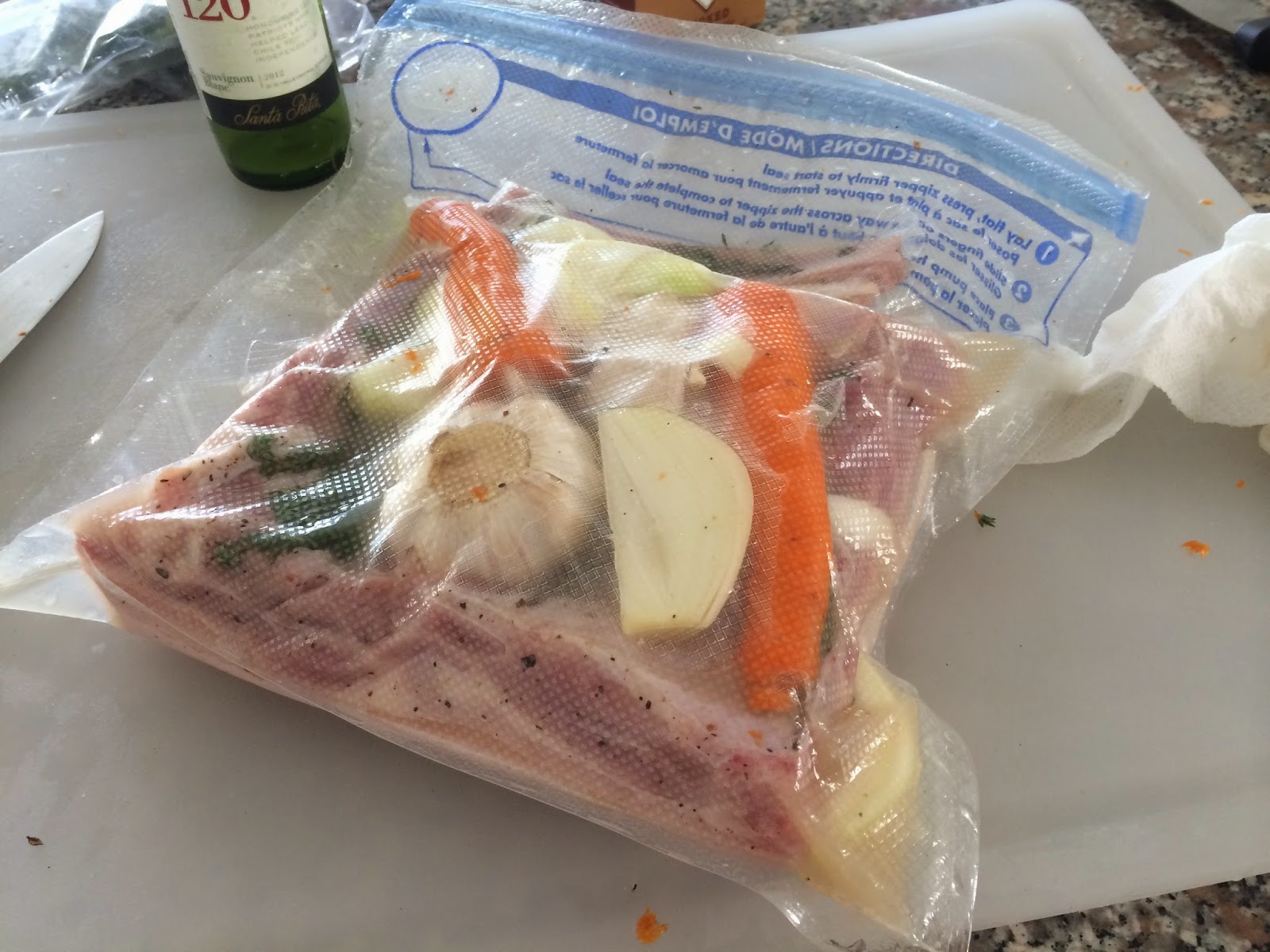
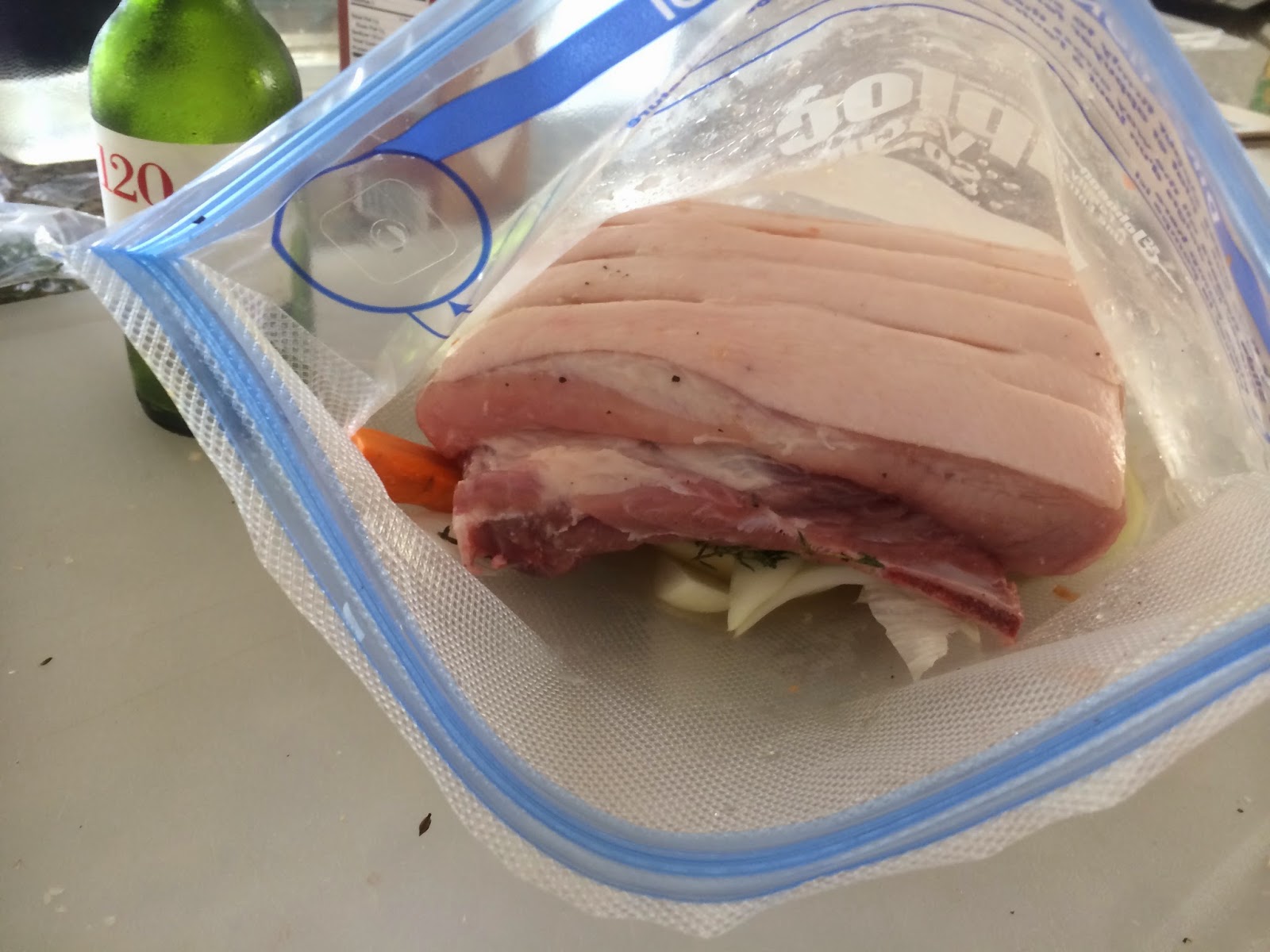
After salting and scoring the skin of the pork it proved rather difficult to vacuum seal the bag, mainly because the wine, added for acidity and flavor, wanted to come out before the air vacated. Also in the bag was garlic, thyme, onion and carrots.


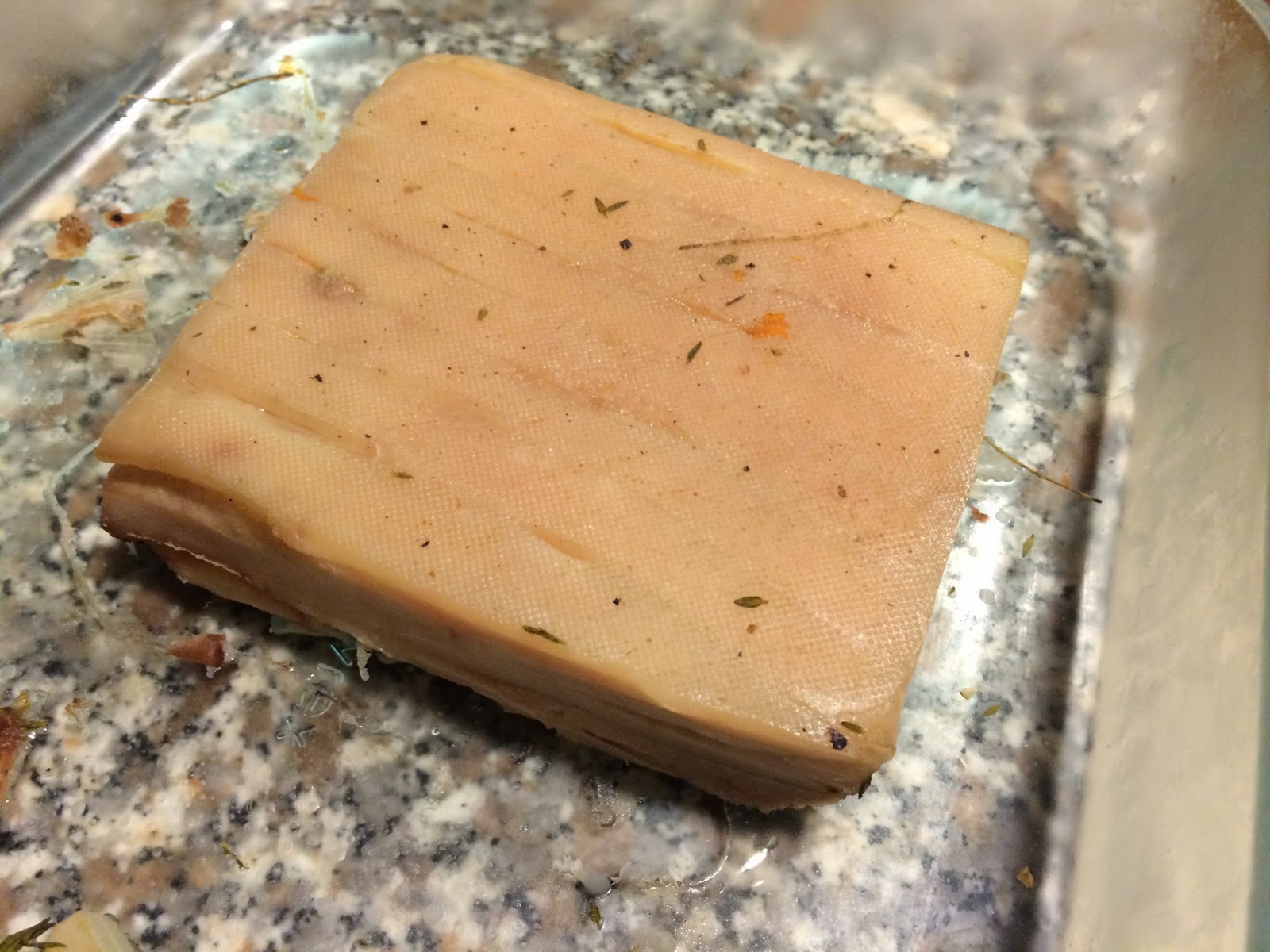
It will be hard to tell how many islands were flooded because I ran this immersion circulator for 12 hours at 77 degrees Celsius, using an incredible amount of electricity (max output 1500W).  Once removed from the vacuum bag, the ribs were removed and the pork was pressed and refrigerated overnight overnight.


Just to add to the carbon intensity of this small meal a little more, the pork belly was then blasted at very high oven temperature for color. It was finally finished off under the broiler for a few minutes for some extra char and flavor.  Relatively juicy. 

Tasting notes: Perhaps it could have been cooking in the water bath a little longer as not as tender as desired, it was also a little dry. A 12 hour brine should be tried. 

In search of the Perfect Meatball
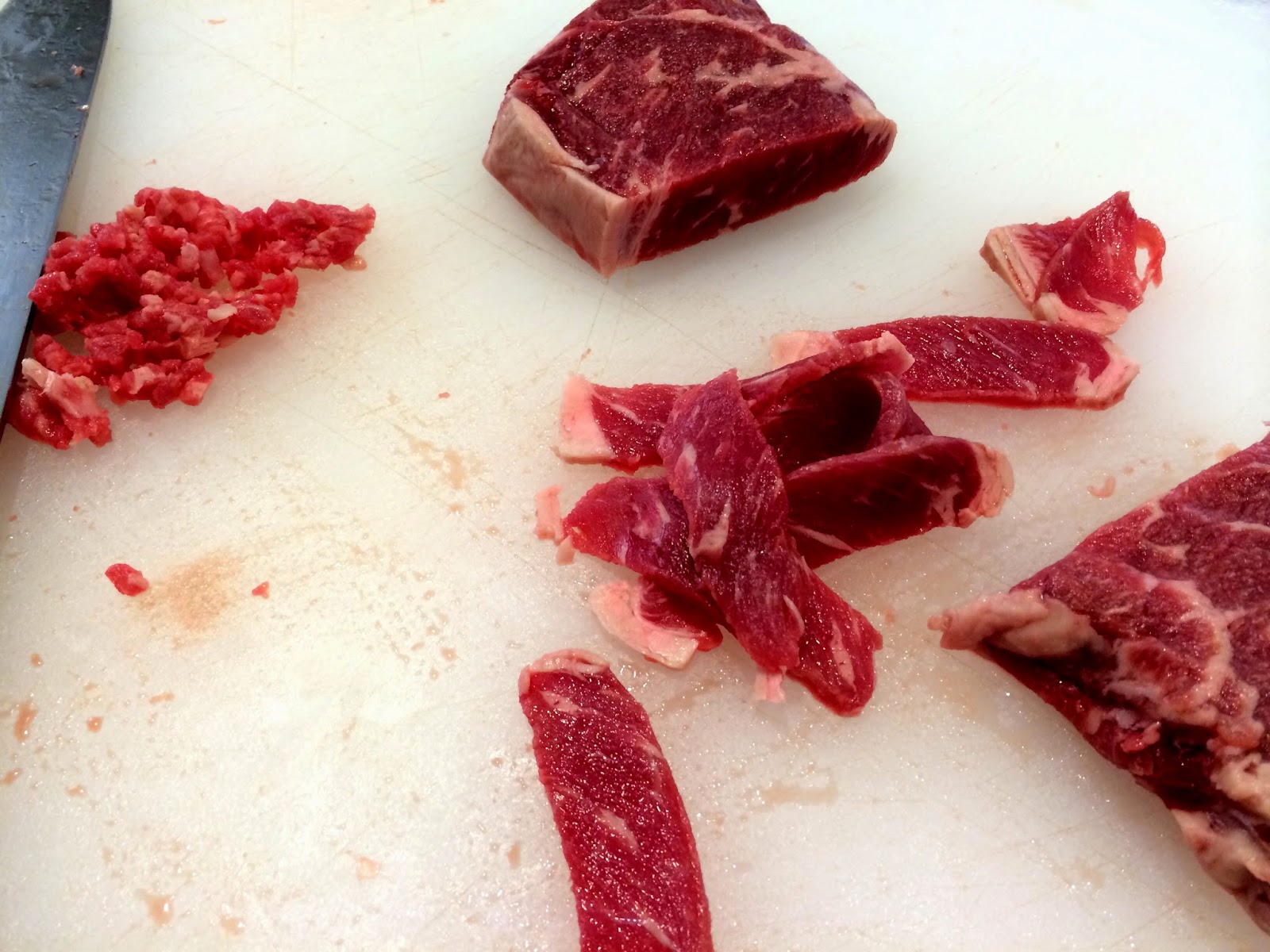
With a desire to run down my inventories of frozen high-quality Angus certified beef steaks it was naturally a brilliant idea to grind it down and make meatballs. Why not experiment by cooking the meatballs Sous Vide.
I have always felt that meatballs were a peasant dish, and also highly abused by American cuisine that tends to slather them with cheap canned tomato sauce and plonk them atop over-cooked pasta. I wanted to give meatballs more credit. 
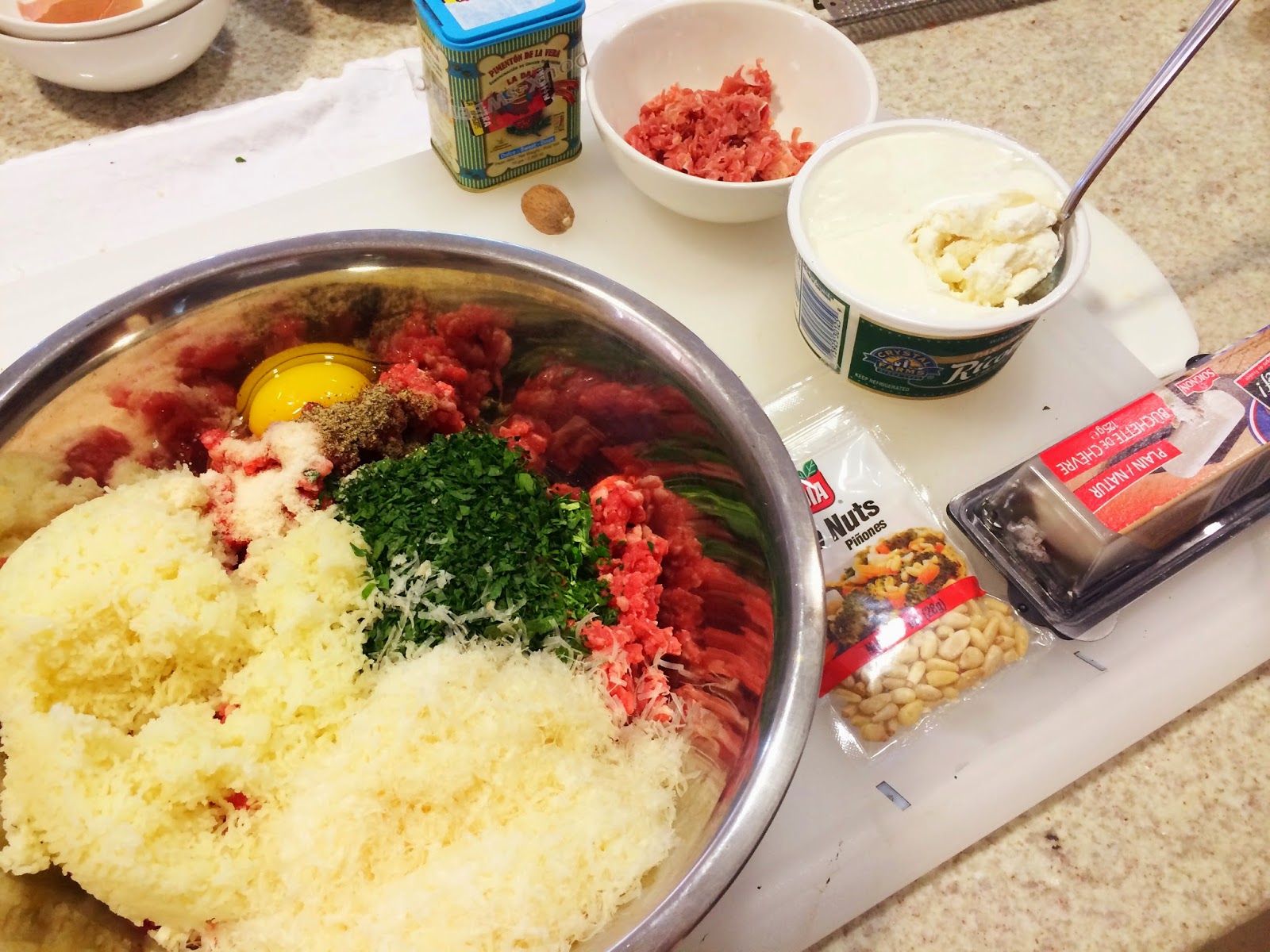
After an exhaustive survey of the internet for an authentic Italian meatball recipe I decided on the following for my base recipe: Beef, Parsley, Egg, Garlic, parmigiano-reggiano, Potato, salt and pepper. I decided to experiment with four other recipes in addition to the base: 1) base+ricotta; 2) base+spanish smoked paprika+prosciutto+nutmeg 3) base+young goats cheese+toasted pine nuts 4) Mongrel: 1+2+3

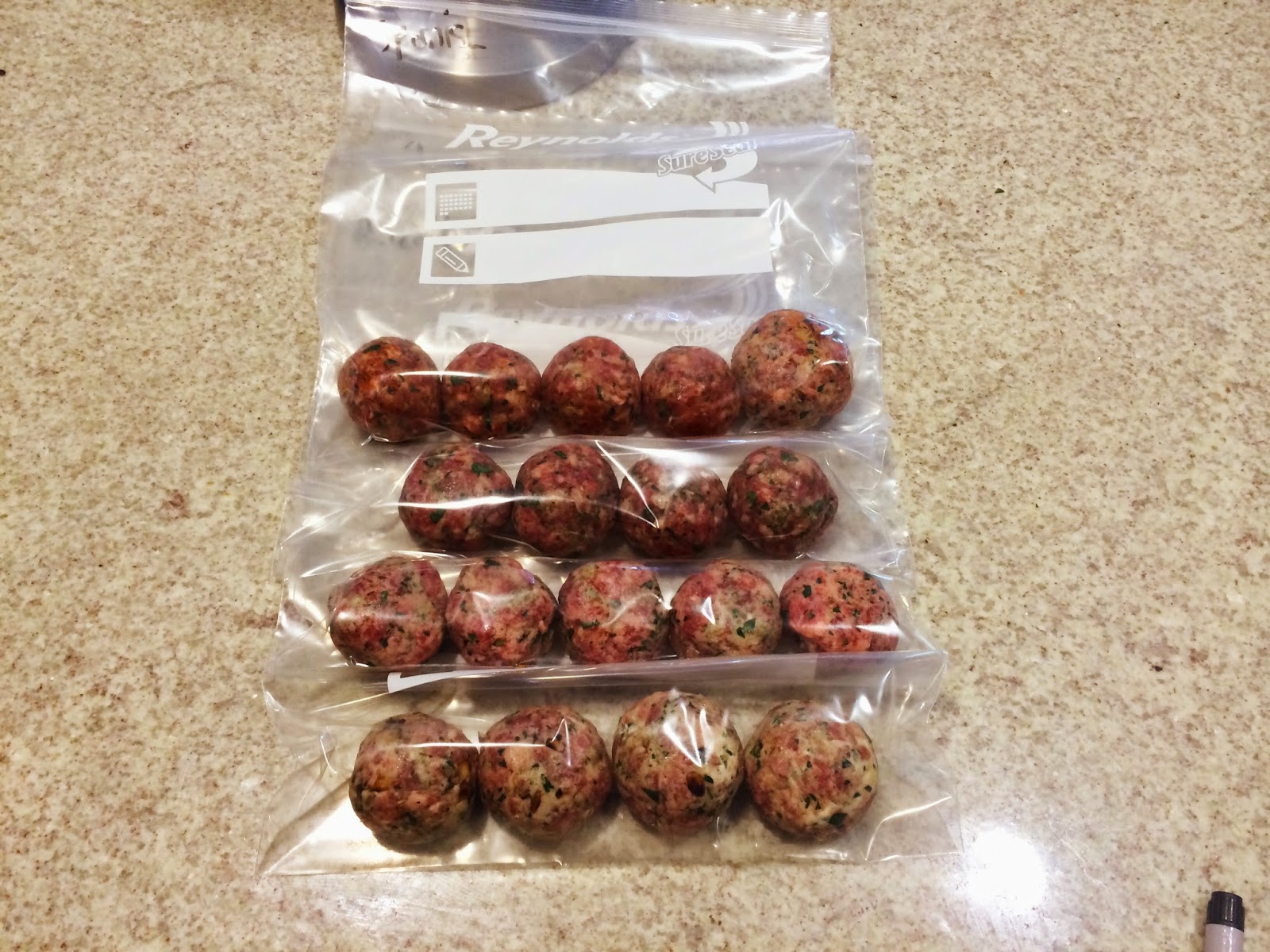
1. Preparing the base recipe: Mince the beef with a very sharp knife. Chop the remainder of the ingredients then mix! I used a food-mill to rice the potato. Place balls in zip-loc bags

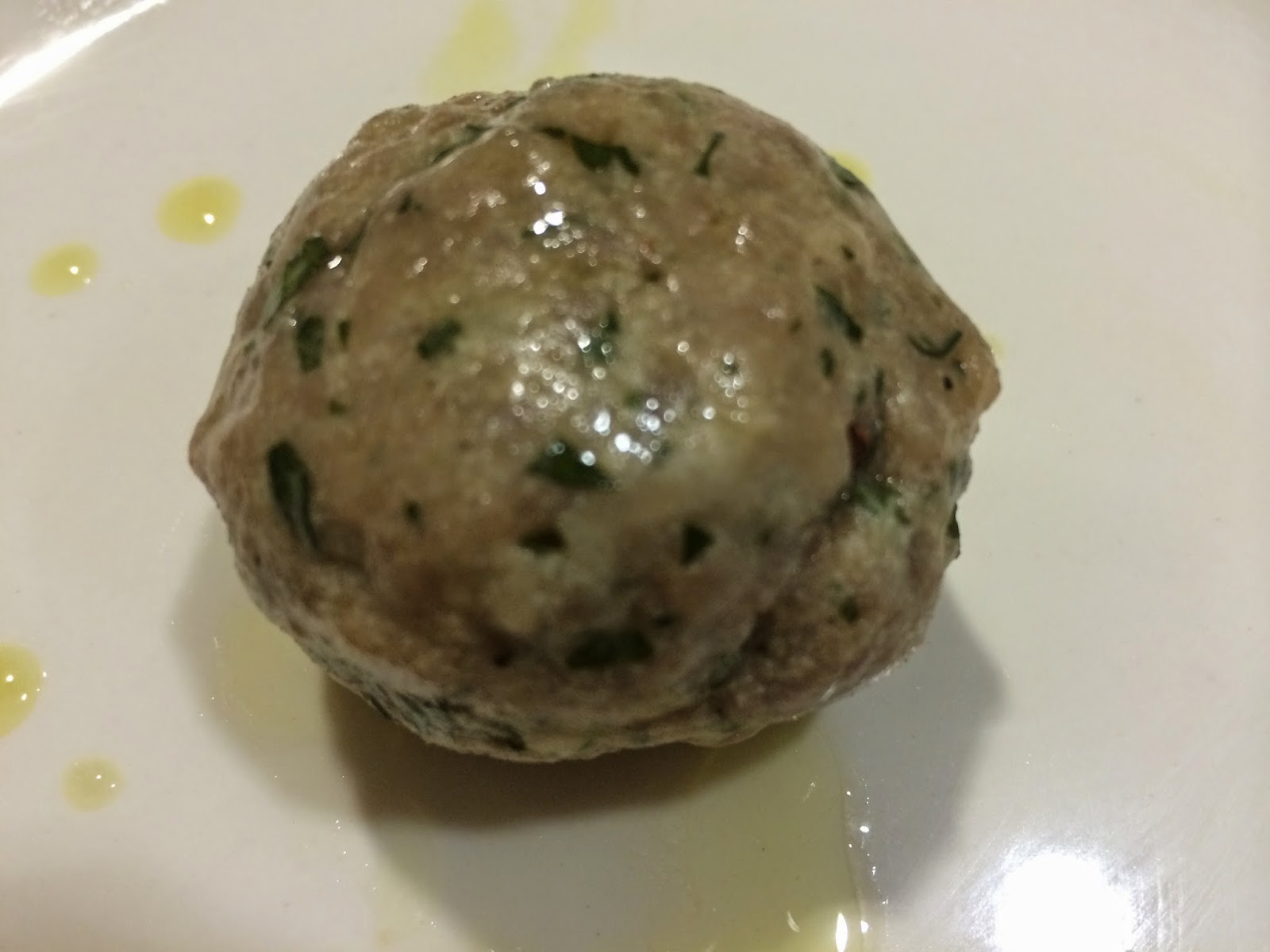
2. Fill each bag with oil and place in water-bath for a few hours at 134degrees. These bags were not vacuum sealed. I used the oil-displacement method as vacuum sealing will ruin the malleable balls.

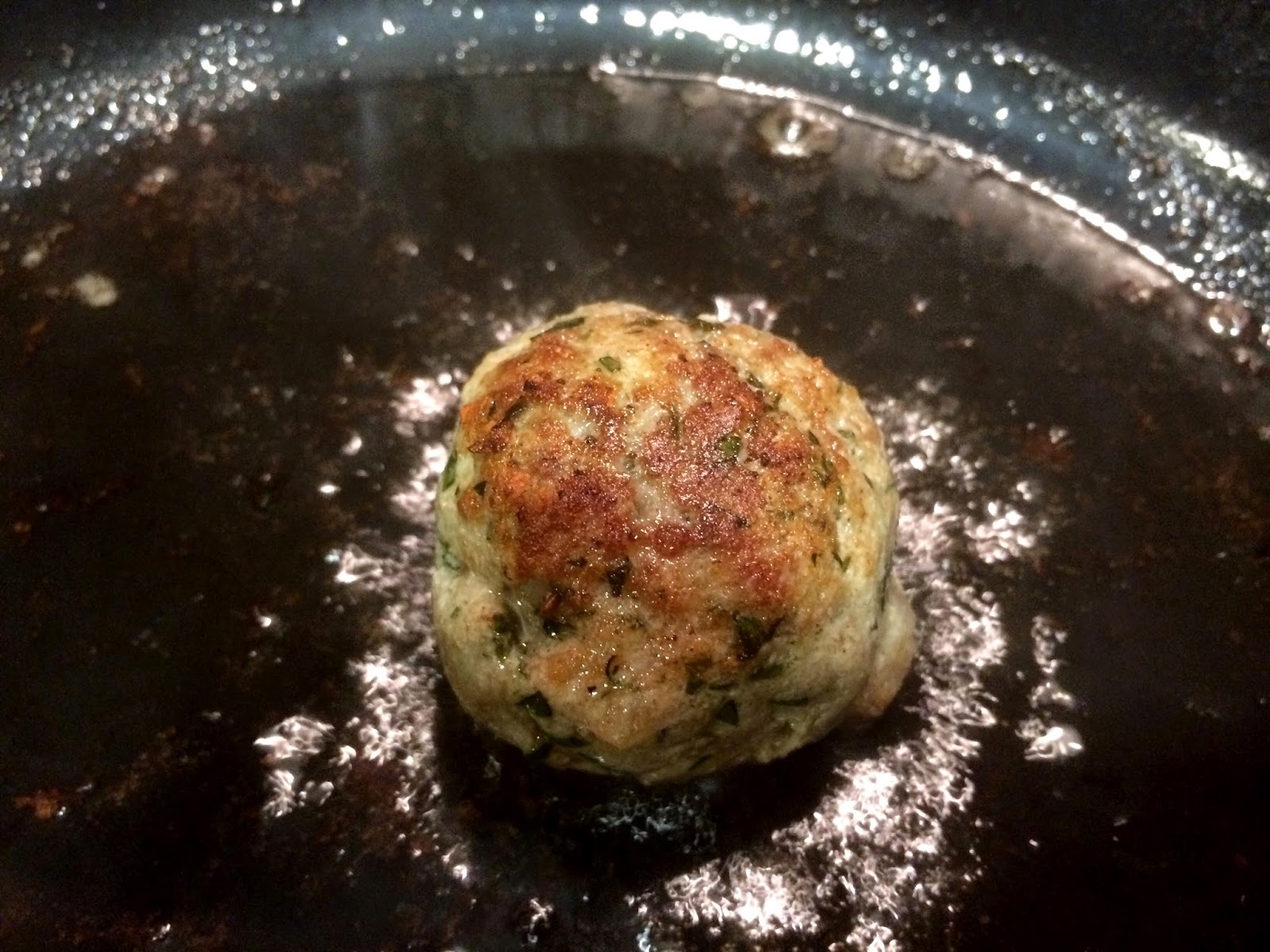
 3. Remove from the water-bath and sear at high temperature for one-minute

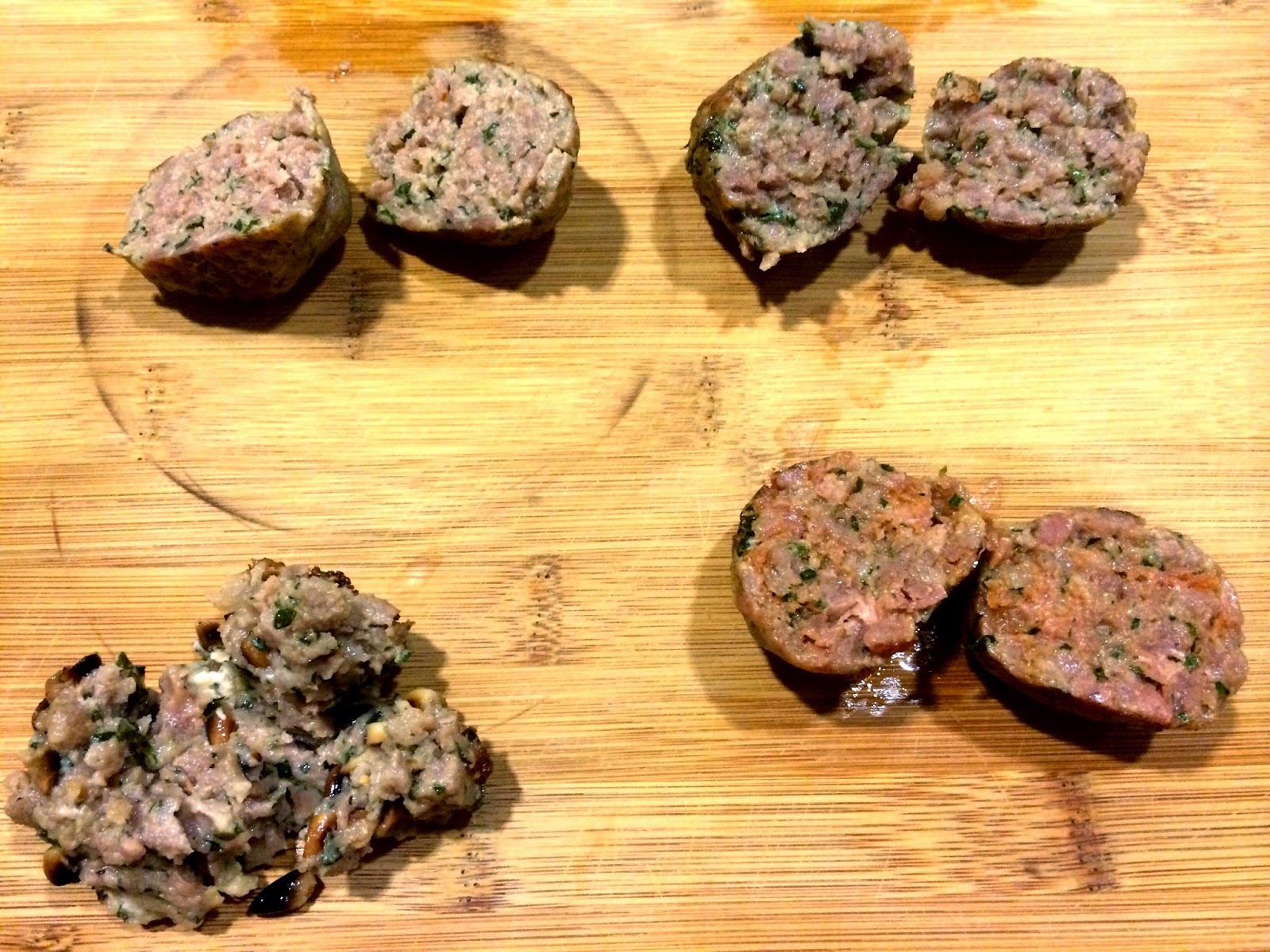
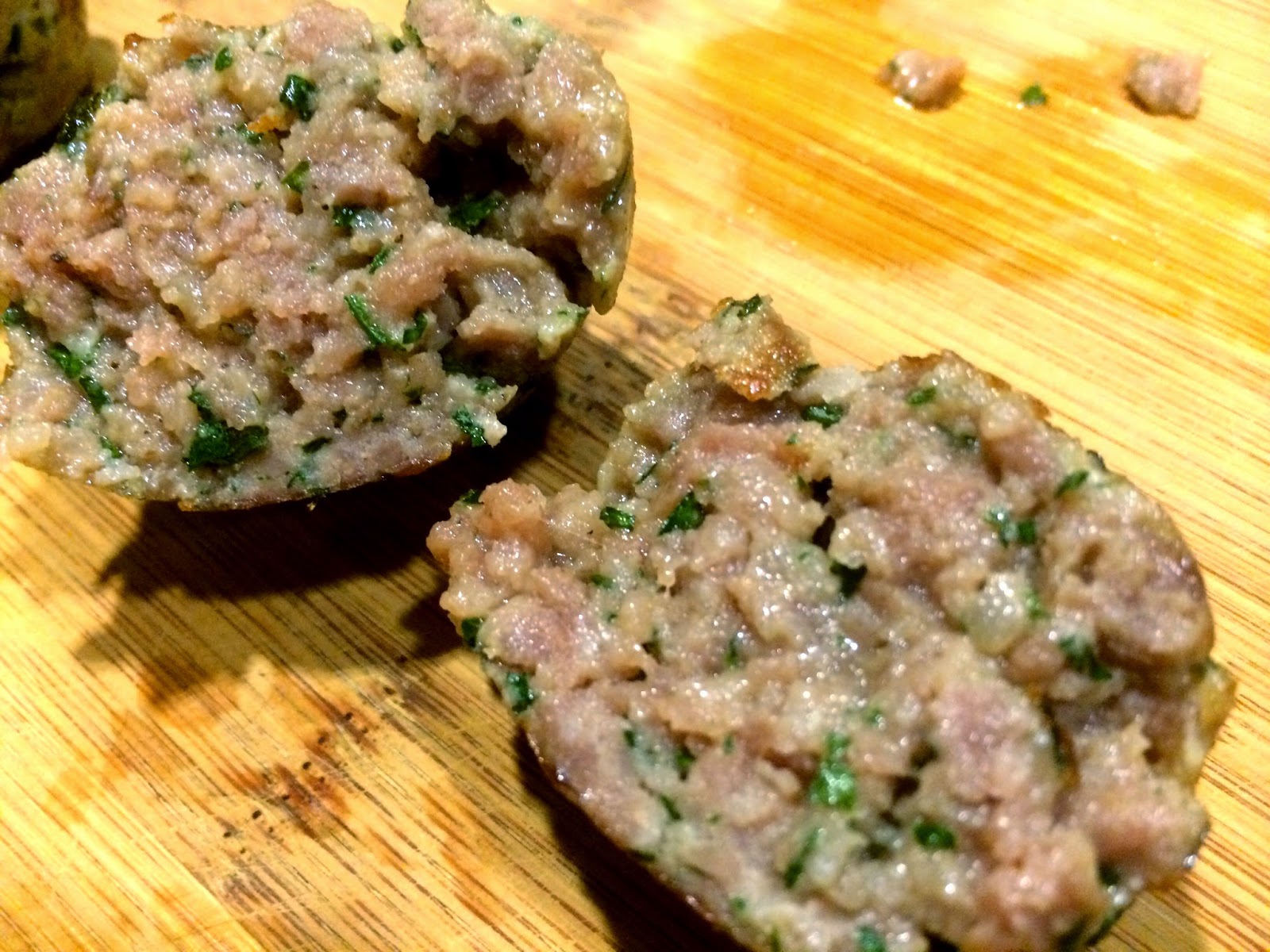
4. The results below. Unfortunately the pine-nut and goats cheese ball had poor structural integrity.

 CONCLUSION:  I very much like the base ball (top right), followed by the ball on the bottom right with paprika and nutmeg. I tasted no difference with the addition of ricotta. The pine-nut and goats cheese ball was good, but perhaps I will not try this again. The use of potato instead of breadcrumbs left a very unique texture that I am not sure that I liked. Next time I will settle on the base meatball recipe with the addition of nutmeg and paprika.

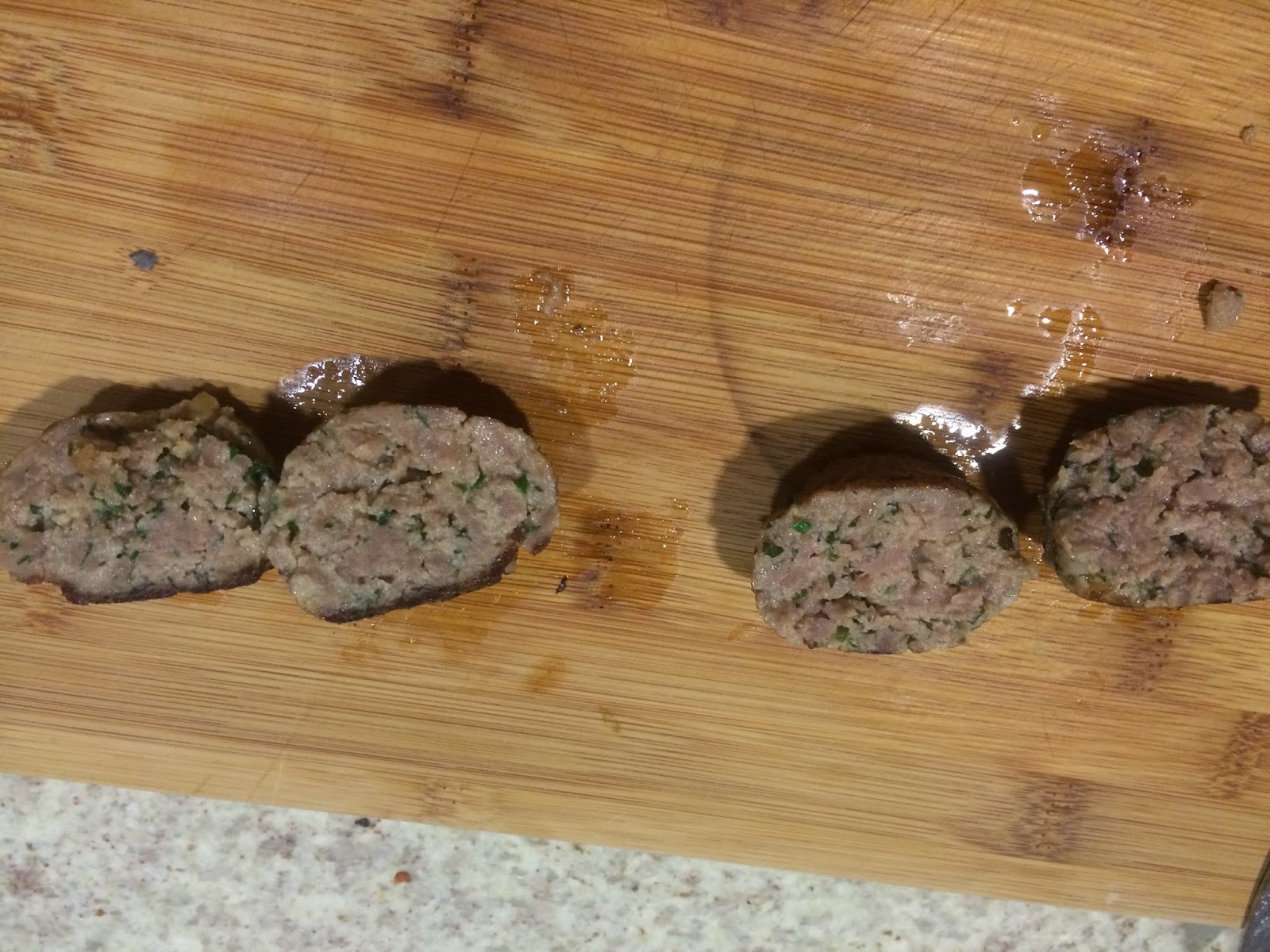
We are not finished yet. How about cooking the balls the traditional way? Pan-fry followed by a few minutes in the oven. How does it compare to the Sous-vide ball?

The traditional cooking method are on the left of the photo. Unfortunately it was hard to tell the difference in texture of flavor between the two. It is my conclusion that it is not worth the effort of sous-vide for meatballs.